
Galileo

More Than We Ever Dreamed Possible

Working Papers explore the technical and scientific themes that underpin GNSS programs and applications. This regular column is coordinated by Prof. Dr.-Ing. Günter Hein, head of Europe’s Galileo Operations and Evolution.

Computational power continues to increase at a rapid pace and unlike other areas of technology, this trend is not expected to slow down in the foreseeable future. Software GNSS receivers fully exploit these developments to steadily increase performance.

Read More >

By Inside GNSS

Playing by the Rules of World Trade Law

The availability of several GNSSes promises advanced positioning, navigation, and timing services with higher availability and improved accuracy. According to a European GNSS Agency (GSA) market study, nearly 60 percent of receivers, chipsets, and modules already support at least two GNSS constellations, showing that multi-constellation is becoming a standard feature across all market segments. That development brings up questions of law and regulation that require careful handling by GNSS manufacturers, service providers, and policy makers.

Read More >

By Ingo Baumann

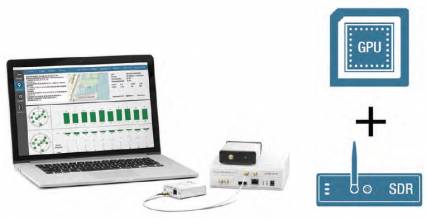
Software-Defined GNSS Simulator: A Step Forward

A few studies (by universities and industry) have shown the feasibility of simulation of real-time digital intermediate frequency (IF) signals based on a graphics processor unit (GPU). And a couple of articles have also demonstrated use of a universal software radio peripheral (USRP)–based software-defined radio (SDR) as a simulator (in playback mode) in real test environments.

Read More >

By Inside GNSS
[uam_ad id="183541"]

ESA/JRC International Summer School on GNSS 2015

Casa Battló, Passeig de Gràcia, Barcelona, Spain

The European Space Agency (ESA) International Summer School on GNSS 2014 take place August 31 – September 10, 2015 at Hotel Alimara, Barcelona, Spain.

Held in conjunction with the European Commission Joint Research Center’s Summer School on GNSS, the program is open to graduate students (with a first university degree), Ph.D. candidates, early-stage researchers, and young professional seeking to broaden their knowledge.

Read More >

By Inside GNSS
June 16, 2015

Inside GNSS Columnist Gathers Another D.C. Correspondent Award

Dee Ann Divis, an Inside GNSS contributing editor who writes the magazine’s Washington View column, continues to garner journalistic awards.

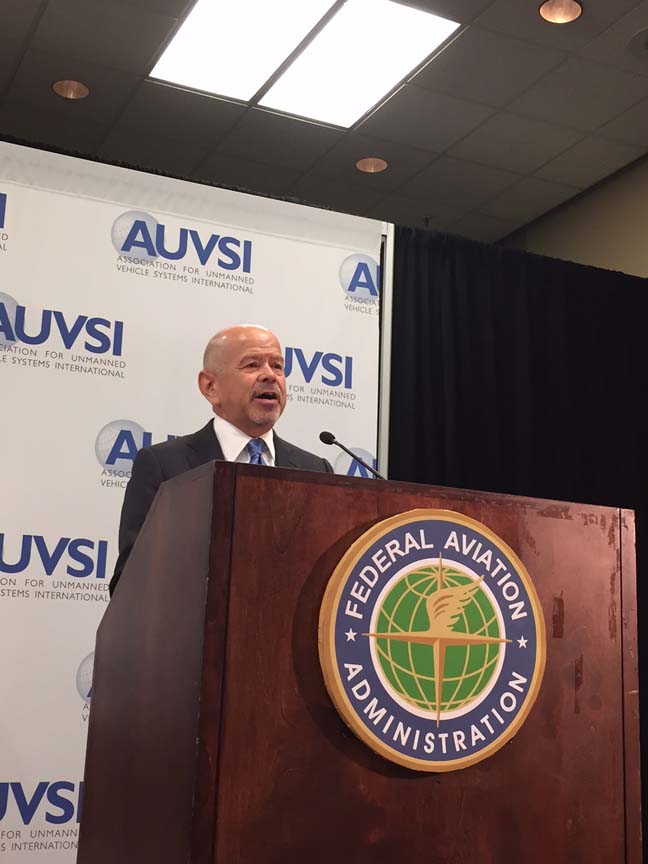
On June 9 she received the Society of Professional Journalists D.C. Chapter’s award for 2015 “Washington Correspondent” for a series of articles on unmanned aerial systems (UAS) published in Inside GNSS last year.

Her 2015 award citation for the series entitled  “Empty Skies” emphasized the “well-detailed and comprehensive handling of a complex subject. . . .”

Read More >

By Dee Ann Divis
June 15, 2015

Septentrio Absorbs Altus Positioning

Belgian GNSS manufacturer Septentrio Satellite Navigation, of Leuven, Belgium, has announced the completion of the acquisition and integration of Altus Positioning Systems, based in Torrance, California.
 
Septentrio Satellite Navigation and Altus-PS started working together in 2007. The collaboration between the two companies has already resulted in a series of such surveying and GIS-focused products as the APS-NR2, APS-3, APS-U, and APS-GeoPod. The smart antenna form factors will form a separate product line in the Septentrio product portfolio.
 

Read More >

By Inside GNSS
[uam_ad id="183541"]
May 29, 2015

Hundreds of Drones Approved as FAA Eases Limits

Work to integrate drones into the nation’s regular air traffic picked up speed over the last eight months as aviation regulators found new ways to permit unmanned flights while still keeping the skies safe for other aircraft.

In September 2014 the agency announced the first of what is now more than 450 waivers enabling commercial companies to begin for-profit operations in the United States.

Read More >

By Inside GNSS
May 20, 2015

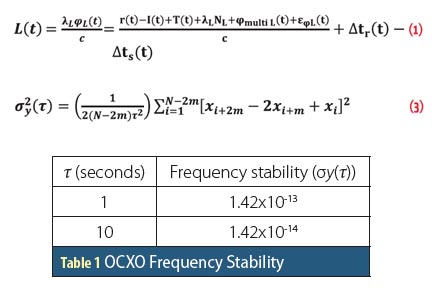
Estimating the Short-Term Stability of In-Orbit GNSS Clocks

Global navigation satellite systems provide position, velocity, and time (PVT) solutions to users whose receivers calculate position based on one-way ranging from satellites. As is well-understood, a key step in the positioning process involves a determination of the difference between the time of signal transmission identified in the satellite’s broadcast navigation message and the time of its reception by user equipment.

Read More >

By Inside GNSS

Thinking Small

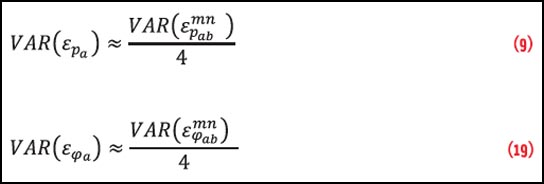
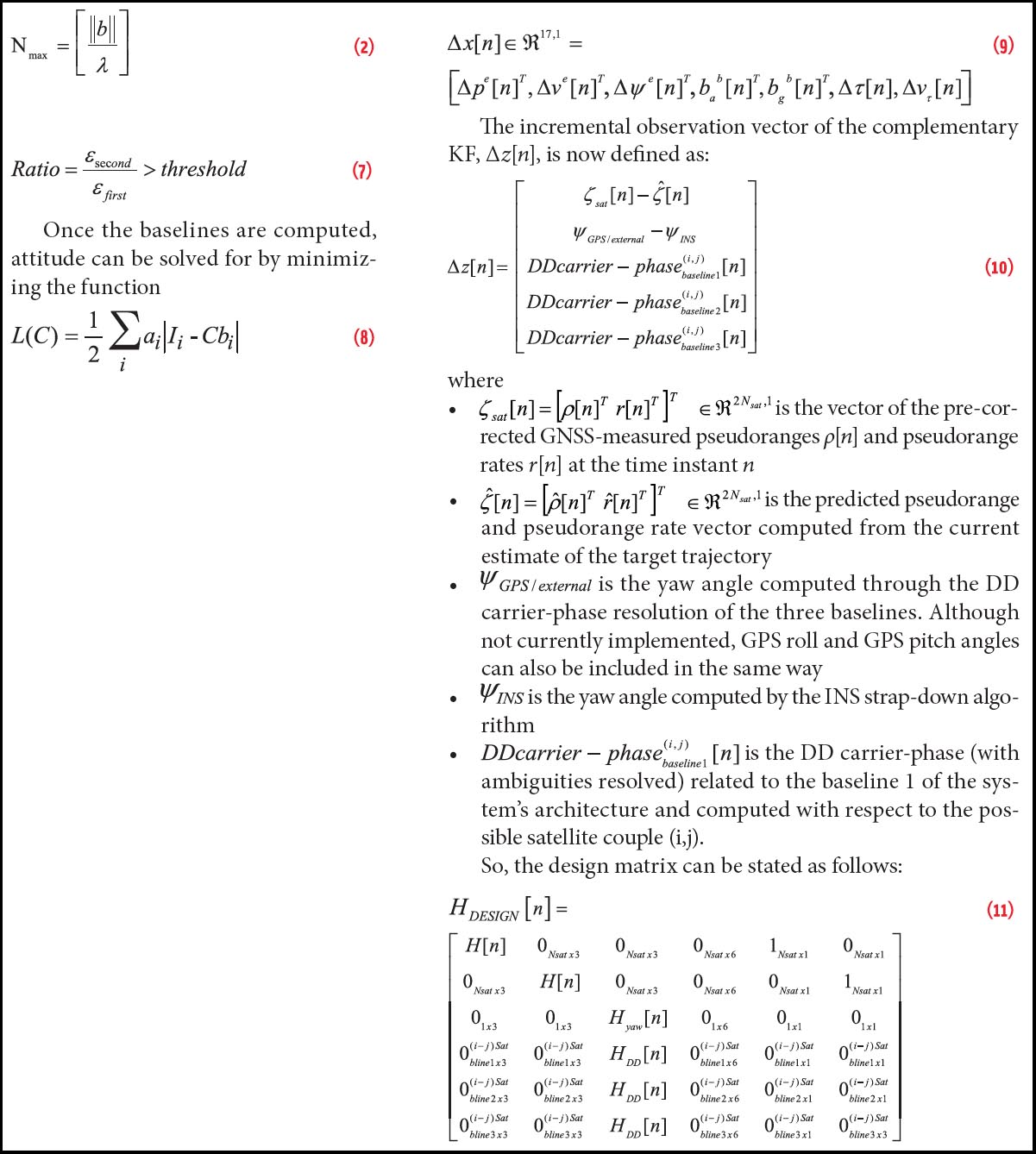
Equations 2, 7, 8, 9, 10 & 11

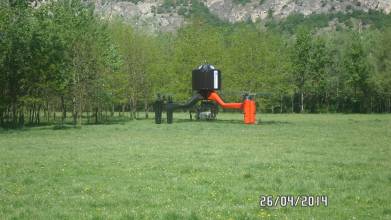
Unmanned aerial vehicles (UAV) are finding increased application in both domestic and governmental applications. Small UAVs (maximum take off weight less than 20 kilograms) comprise the category of the smallest and lightest platforms that also fly at lower altitudes (under less than 150 meters).

Designs for this class of device have focused on creating UAVs that can operate in urban canyons or even inside buildings, fly along hallways, and carry listening and recording devices, transmitters, or miniature TV cameras.

Read More >

By Inside GNSS

Riding High with EGNOS

The Pink City from up there. Photo by Peter Gutierrez

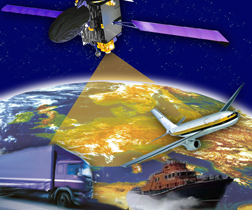
Judging from the variety of questions being asked at a recent EGNOS flight demonstration, the European Geostationary Navigation Overlay Service (EGNOS) remains something of a mystery for many of Europe’s leading aviation writers.

EGNOS, you say? What’s EGNOS?

Read More >

By Inside GNSS
1 39 40 41 42 43 82
IGM_e-news_subscribe