Global Navigation Satellite Systems Engineering, Policy, and Design
Global Navigation Satellite Systems Engineering, Policy, and Design
For several years the European Union (EU) has sought a waiver for its Galileo system from Federal Communications Commission (FCC) licensing requirements — the so-called Part 25 rule to operate in this country.
Long-overdue approval of the request should be expedited by the FCC.
By Inside GNSS

No longer consigned to predicting what might one day happen, the folks at the Galileo program can now look at and talk about what is happening right now, starting with initial services. To help us understand what’s going on, we enlisted no less than Matthias Petschke, Galileo Program Director at the European Commission (EC).
By Peter Gutierrez
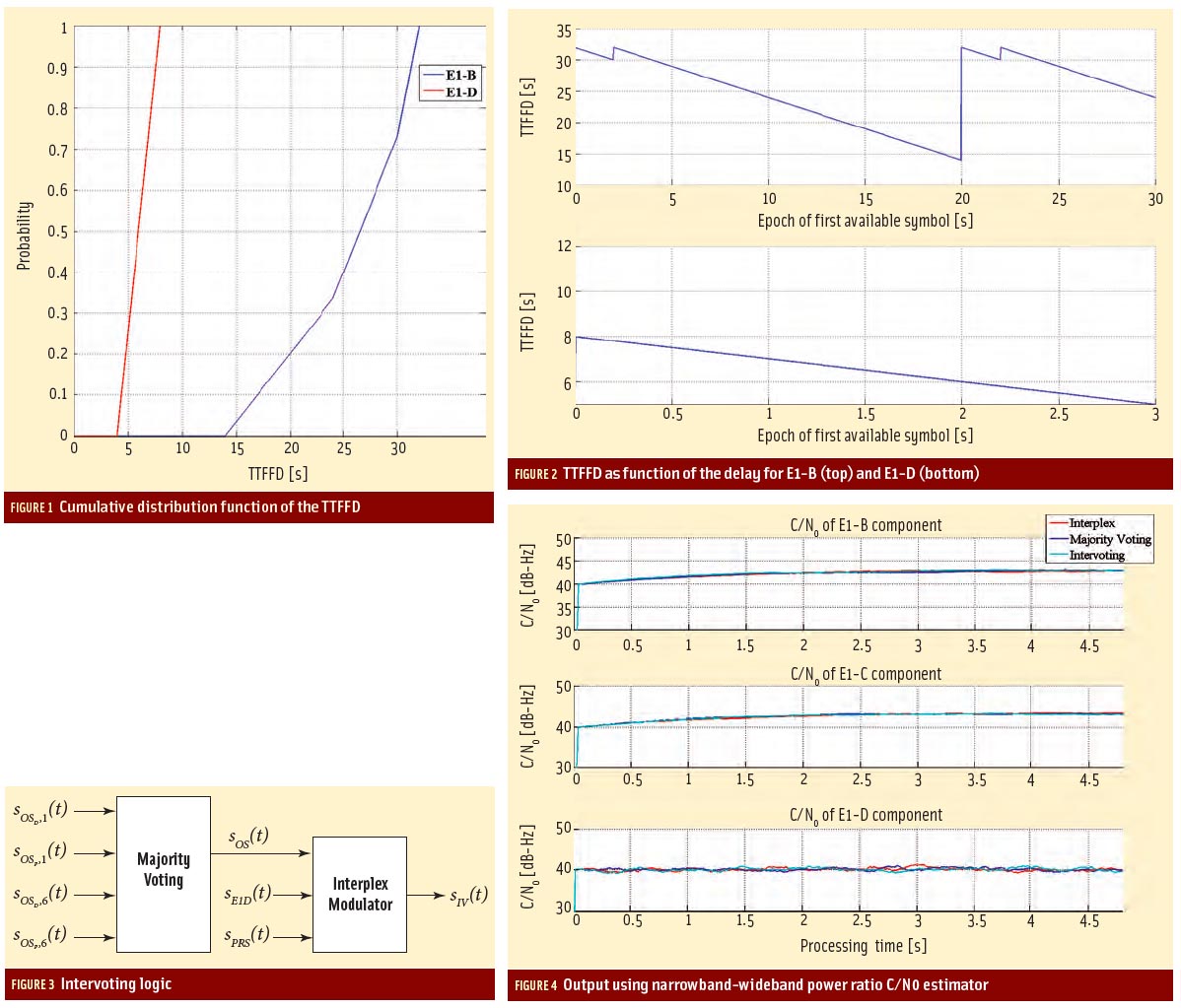 Figures 1 – 4
Working Papers explore the technical and scientific themes that underpin GNSS programs and applications. This regular column is coordinated by Prof. Dr.-Ing. Günter Hein, head of Europe’s Galileo Operations and Evolution.
By Günter W. Hein
Though the United States has been working on a backup for GPS for years, and was actually close to completing an equipment update to that end in 2009, Europe may be the first to put in place a fully independent alternative for positioning and timing data — an economic insurance policy against satellite navigation signals being jammed or disrupted.
By Dee Ann Divis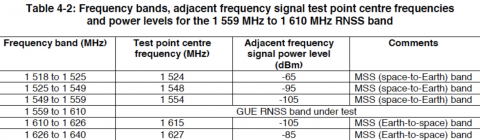
European Union (EU) member countries are close to adopting a standard for satellite navigation receivers.
The proposed standard covers Satellite Earth Stations and Systems (SESS) as well as GNSS receivers operating in the bands 1164 MHz to 1300 MHz and 1559 MHz to 1610 MHz. Receivers must be able to withstand interference from adjacent bands at the listed levels.
By Dee Ann Divis
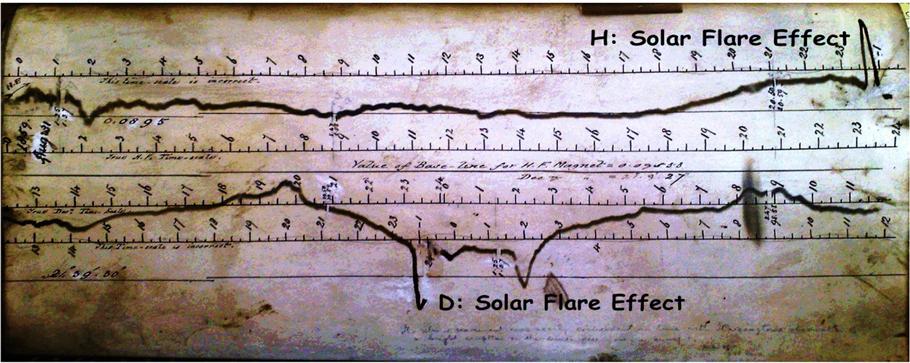 One of 12 magnetograms recorded at Greenwich Observatory during the Great Geomagnetic Storm of 1859
 1996 soccer game in the Midwest, (Rick Dikeman image)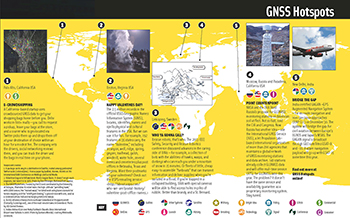
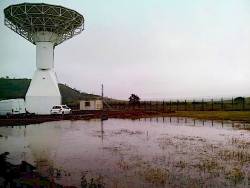 Nouméa ground station after the flood
 A pencil and a coffee cup show the size of NASA’s teeny tiny PhoneSat
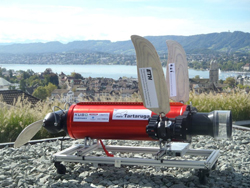 Bonus Hotspot: Naro Tartaruga AUV
 Pacific lamprey spawning (photo by Jeremy Monroe, Fresh Waters Illustrated)
 “Return of the Bucentaurn to the Molo on Ascension Day”, by (Giovanni Antonio Canal) Canaletto
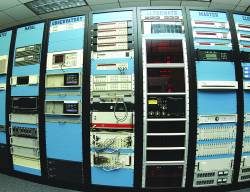 The U.S. Naval Observatory Alternate Master Clock at 2nd Space Operations Squadron, Schriever AFB in Colorado. This photo was taken in January, 2006 during the addition of a leap second. The USNO master clocks control GPS timing. They are accurate to within one second every 20 million years (Satellites are so picky! Humans, on the other hand, just want to know if we’re too late for lunch) USAF photo by A1C Jason Ridder.
 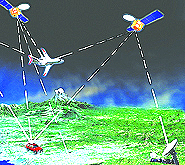 Detail of Compass/ BeiDou2 system diagram
 Hotspot 6: Beluga A300 600ST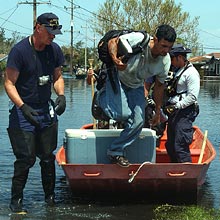
1. ANTARCTIC OASIS
Antarctic Peninsula
Looking over the initial budget of the Trump administration, we can safely say that the president and his timorous collaborators on Capitol Hill have a maximalist concept of providing for “the common defense” and a minimalist one for promoting “the general welfare,” two of the six missions enshrined in the preamble of the U.S. Constitution.
By Inside GNSS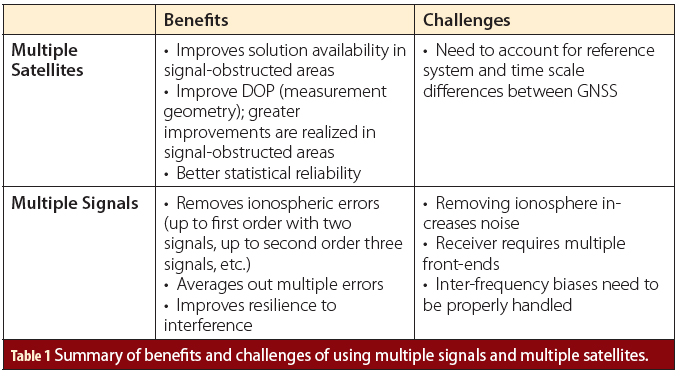
Q: Would you prefer to have more signals or more satellites?
A: This is somewhat of a classic GNSS question, but before getting to the answer, let’s seek some clarity about what is being asked. First, by definition, “more” signals or “more” systems must be referenced against some baseline configuration. This is commonly assumed to be a GPS L1 C/A solution, and this assumption is also used herein.
By Inside GNSS
Speakers at the 9th Annual Conference on European Space Policy wasted no time in addressing the somewhat worrying failure of several Galileo onboard clocks, as revealed by European Space Agency Director General Johan-Dietrich Woerner at a press briefing earlier in January in Paris. He made clear at the time that the clock failures, while indeed troubling, had had no effect on the operational integrity of the Galileo system.
By Peter Gutierrez
 Figures and Charts
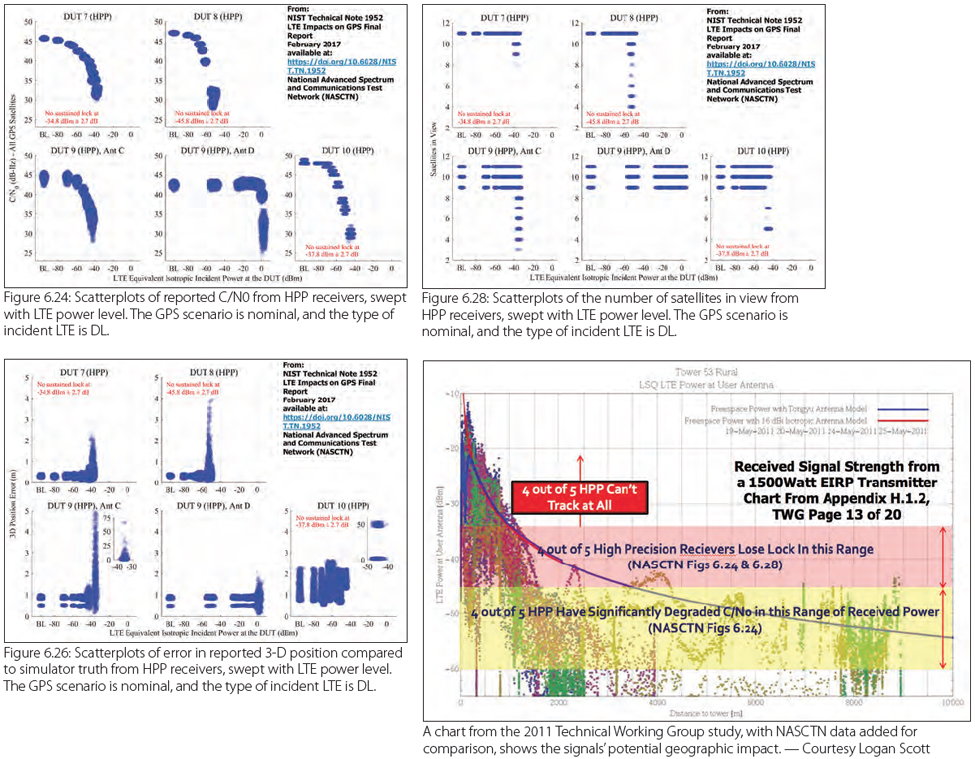
The GPS community and Virginia-based Ligado are weighing new and upcoming test results as the standoff over interference with satellite navigation services enters its seventh year.
The dispute centers on the company’s now modified proposal to build a terrestrial wireless network supported by frequencies originally allocated for satellites. Though there had been a move some years earlier to augment the satellite services with ground stations the company’s first plan envisioned some 30,000 high-powered ground terminals.
By Dee Ann Divis