Galileo

Galileo Teams Investigating ‘Injection Anomaly’ of FOC Satellites

European Space Agency (ESA) and industry officials said today (August 23, 2014) that they are investigating Arianespace’s announcements about anomalies in the orbit injection of the Galileo full operational capability (FOC) satellites launched Friday.

“Complementary observations gathered after separation of the Galileo FOC M1 satellites on Soyuz Flight VS09 have highlighted a discrepancy between targeted and reached orbit,” according to a Friday statement by Arianespace, which leads the industry team handline the launch of the first Galileo FOCs.

Read More >

By Inside GNSS
August 22, 2014

Europe Puts First FOC Satellites into Orbit

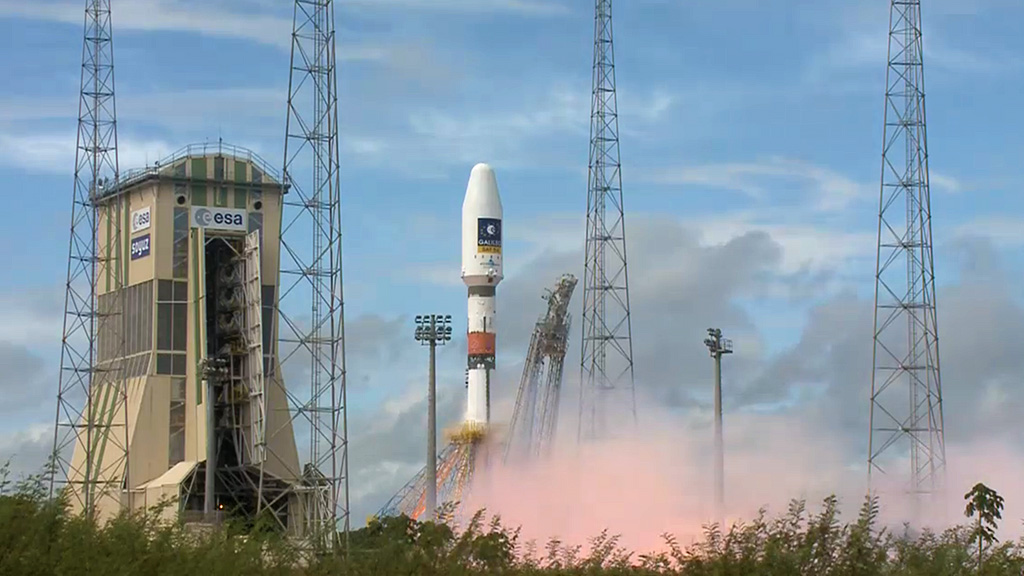
After 20 years of discussion, conceptualization, political struggle, and technical reverses, Europe has placed its first two fully operational capability (FOC) Galileo satellites into orbit today (August 22, 2014).

The Galileo 5 and 6 satellites were carried aloft on a Soyuz rocket from Europe’s Spaceport in French Guiana at 12:27 GMT (14:27 CEST, 09:27 a.m. local time). They join the Galileo in-orbit validation (IOV) satellites 1–4, one of which has been offline since May.

Read More >

By Inside GNSS
August 21, 2014

Weather Delays Galileo Launch

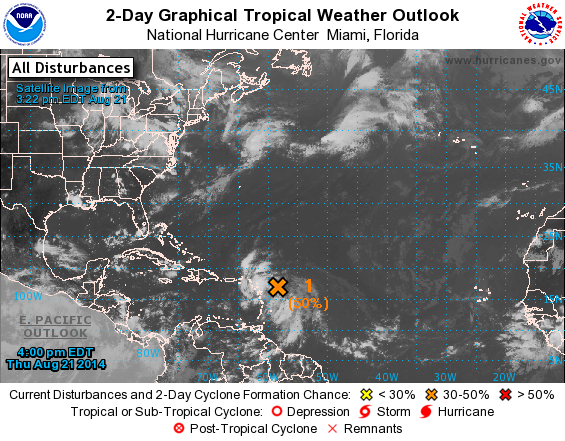
Due to unfavorable weather conditions of the Guiana Space Center near Kourou, French Guiana, Arianespace decided to postpone the launch scheduled for today (August 21, 2014) of Soyuz flight VS09 carrying Europe’s fifth and sixth Galileo satellites — and the first of the fully operational capability (FOC) spacecraft.

A tropical disturbance in the Atlantic Ocean nearing the Lesser Antilles (see NOAA satellite image) could potentially developed into a tropical depression or tropical storm.

Read More >

By Inside GNSS
[uam_ad id="183541"]
August 15, 2014

As Galileo FOCs Near Launch, EC Holds Public Consultation on Open Service ICD

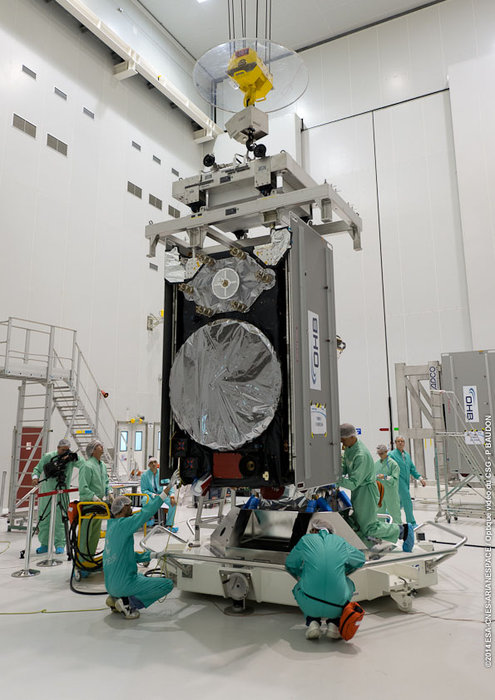
Installation of Galileo FOC satellite “Doresa” on the payload dispenser system. The first of two Galileo navigation satellites has been integrated on its payload dispenser system at Europe’s Spaceport in Kourou, French Guiana. The second satellite “Milena” was then installed in a side-by-side arrangement and will be mated atop a Soyuz Fregat upper stage. ESA/CNES/Arianespace/Optique Vidéo du CSG photo by P. Baudon

The European Commission (EC) has opened a public consultation on a newly revised version of the Galileo Open Service Signal in Space Interface Control Document (OS SIS ICD).
 
The consultation will take place through September 22, overlapping the scheduled first launch of fully operational capability (FOC) Galileo satellites on August 21. Details of the consultation process can be found on the EC Directorate-General for Enterprise website.
 

Read More >

By Inside GNSS

August 5, 2014

EGNOS Service Provision Workshop 2014

The European Global Navigation Satellite Systems Agency (EGNOS) Service Provision Workshop will take place at the Conference Center Hotel Tivoli Lisboa in Lisbon, Portugal on October 7-8, 2014.

The yearly meeting will present the improvements in the system and services for EGNOS stakeholders, users and applications developers.

The workshop agenda includes:

EGNOS Program Update

  • EGNOS exploitation program update (GSA)
  • EGNOS market strategy and achievements (GSA)

EGNOS Services Status

Read More >

By Inside GNSS

[uam_ad id="183541"]
July 30, 2014

Galileo Team Reports Successful Tracking of Encrypted Commercial Service Signals

The European GNSS Agency (GSA) announced today (July 29, 2014) that a recent 10-day test has successfully tracked and demodulated data from encrypted signals of the Commercial Service (CS) from available Galileo satellites.

Using receivers located in Tres Cantos, Spain, and Poing, Germany, the Early Proof of Concept (EPOC) team tracked encrypted Galileo E6-B and E6-C signals. Non-encrypted E6-B and E6-C signals have previously been tracked.

Read More >

By Inside GNSS

July 24, 2014

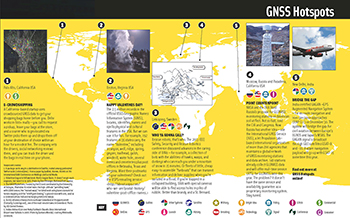
GNSS Hotspots | July 2014

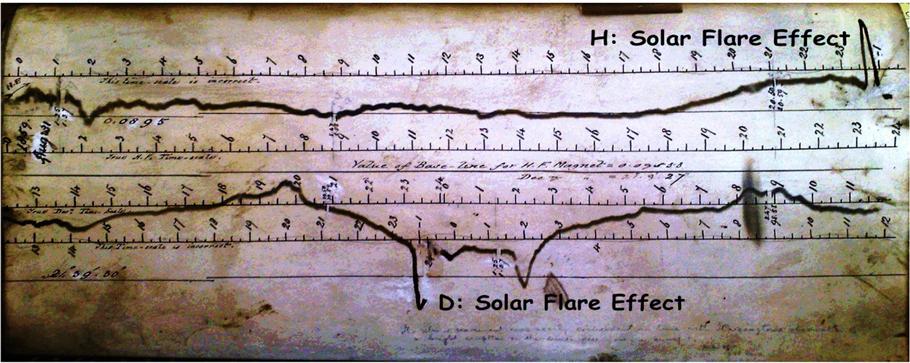
One of 12 magnetograms recorded at Greenwich Observatory during the Great Geomagnetic Storm of 1859
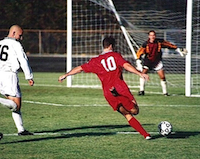
1996 soccer game in the Midwest, (Rick Dikeman image)
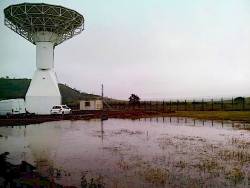
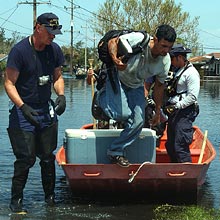
Nouméa ground station after the flood
A pencil and a coffee cup show the size of NASA’s teeny tiny PhoneSat
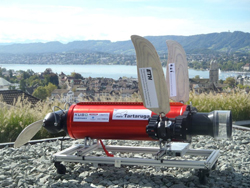
Bonus Hotspot: Naro Tartaruga AUV
Pacific lamprey spawning (photo by Jeremy Monroe, Fresh Waters Illustrated)
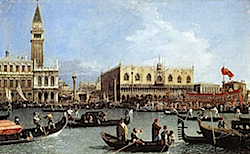
“Return of the Bucentaurn to the Molo on Ascension Day”, by (Giovanni Antonio Canal) Canaletto
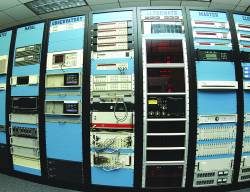
The U.S. Naval Observatory Alternate Master Clock at 2nd Space Operations Squadron, Schriever AFB in Colorado. This photo was taken in January, 2006 during the addition of a leap second. The USNO master clocks control GPS timing. They are accurate to within one second every 20 million years (Satellites are so picky! Humans, on the other hand, just want to know if we’re too late for lunch) USAF photo by A1C Jason Ridder.
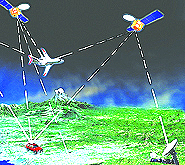
Detail of Compass/ BeiDou2 system diagram
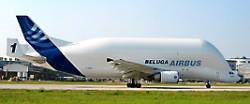
Hotspot 6: Beluga A300 600ST

1. SMART BALL
Portland, Oregon USA

√ Adidas has designed every official World Cup ball since 1970. And that’s not all! The Adidas Innovation Team in Portland, Oregon, spent 4 years on a smart soccer ball with a “six-axis MEMS accelerometer sensor package” that can detect speed, spin, strike and flight path data and whip it on over to the special GPS app on your iPhone. The app interprets the data for you, coaches you, and keeps a video to show your friends. On sale now for only $299.

Read More >

By Inside GNSS
July 21, 2014

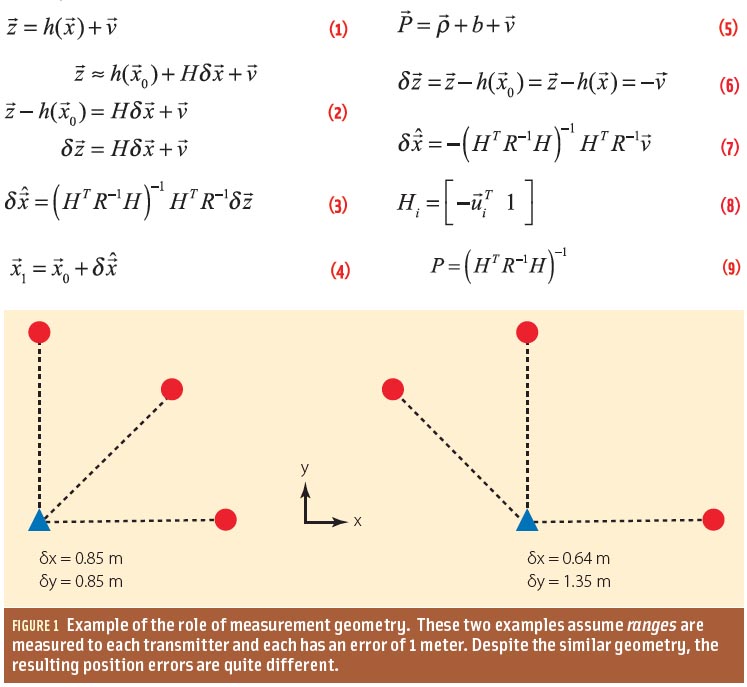
GNSS Position Estimates

Q: How do measurement errors propagate into GNSS position estimates?

A: Not surprisingly, GNSS positioning accuracy is largely dependent on the level of measurement errors induced by orbital inaccuracies, atmospheric effects, multipath, and noise. This article discusses how, specifically, these errors manifest as position errors.

Read More >

By Inside GNSS

2nd EUROGI imaGIne Conference 2014

The 2nd EUROGI imaGIne Conference 2014 will be held at Messe Berlin, Berlin, Germany on October 8-9, 2014.

This year’s theme is “Geographic Information Expertise: Made in Europe”.

The key aim of the imaGIne conference is to showcase the best Europe has to offer in the GI field. The INTERGEO Fair will showcase a wide variety of GI related products and services.

Program highlights:

Read More >

By Inside GNSS
1 46 47 48 49 50 82
IGM_e-news_subscribe