May 28, 2013
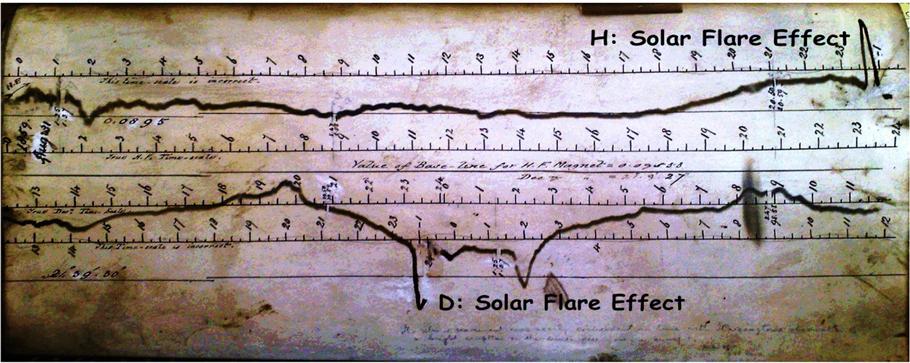 One of 12 magnetograms recorded at Greenwich Observatory during the Great Geomagnetic Storm of 1859
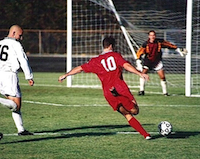 1996 soccer game in the Midwest, (Rick Dikeman image)
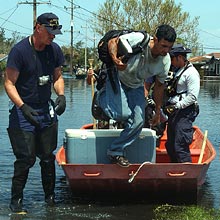
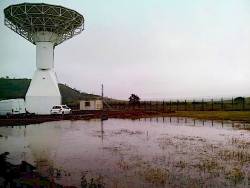 Nouméa ground station after the flood
 A pencil and a coffee cup show the size of NASA’s teeny tiny PhoneSat
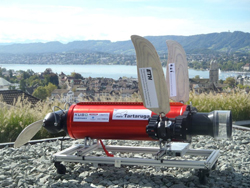 Bonus Hotspot: Naro Tartaruga AUV

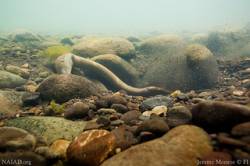 Pacific lamprey spawning (photo by Jeremy Monroe, Fresh Waters Illustrated)
 “Return of the Bucentaurn to the Molo on Ascension Day”, by (Giovanni Antonio Canal) Canaletto
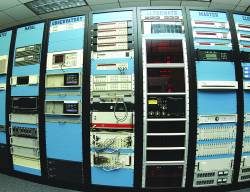 The U.S. Naval Observatory Alternate Master Clock at 2nd Space Operations Squadron, Schriever AFB in Colorado. This photo was taken in January, 2006 during the addition of a leap second. The USNO master clocks control GPS timing. They are accurate to within one second every 20 million years (Satellites are so picky! Humans, on the other hand, just want to know if we’re too late for lunch) USAF photo by A1C Jason Ridder.
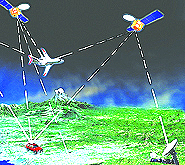 Detail of Compass/ BeiDou2 system diagram
 Hotspot 6: Beluga A300 600ST
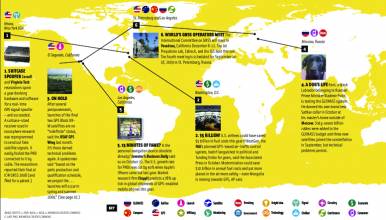
GNSS Hotspots | May 2013
One of 12 magnetograms recorded at Greenwich Observatory during the Great Geomagnetic Storm of 18591996 soccer game in the Midwest, (Rick Dikeman image)Nouméa ground station after the floodA pencil and a coffee cup show the size of NASA’s teeny tiny PhoneSatBonus Hotspot: Naro Tartaruga AUVPacific lamprey spawning (photo by Jeremy Monroe, Fresh Waters Illustrated)“Return of the Bucentaurn to the Molo on Ascension Day”, by (Giovanni Antonio Canal) CanalettoThe U.S. Naval Observatory Alternate Master Clock at 2nd Space Operations Squadron, Schriever AFB in Colorado. This photo was taken in January, 2006 during the addition of a leap second. The USNO master clocks control GPS timing. They are accurate to within one second every 20 million years (Satellites are so picky! Humans, on the other hand, just want to know if we’re too late for lunch) USAF photo by A1C Jason Ridder. Detail of Compass/ BeiDou2 system diagramHotspot 6: Beluga A300 600ST1. PESTS
State of California, USA
√ The California Agriculture department is using collective intelligence and GPS to “report a pest.” State residents can download the new CDFA smartphone app and use it to photograph and report bad bugs when they see ‘em. Those with iPhones can choose to send GPS coordinates for quick response to invasive pest emergencies.