B: Applications

August 31, 2015

LightSquared Launches New GPS Receiver Tests

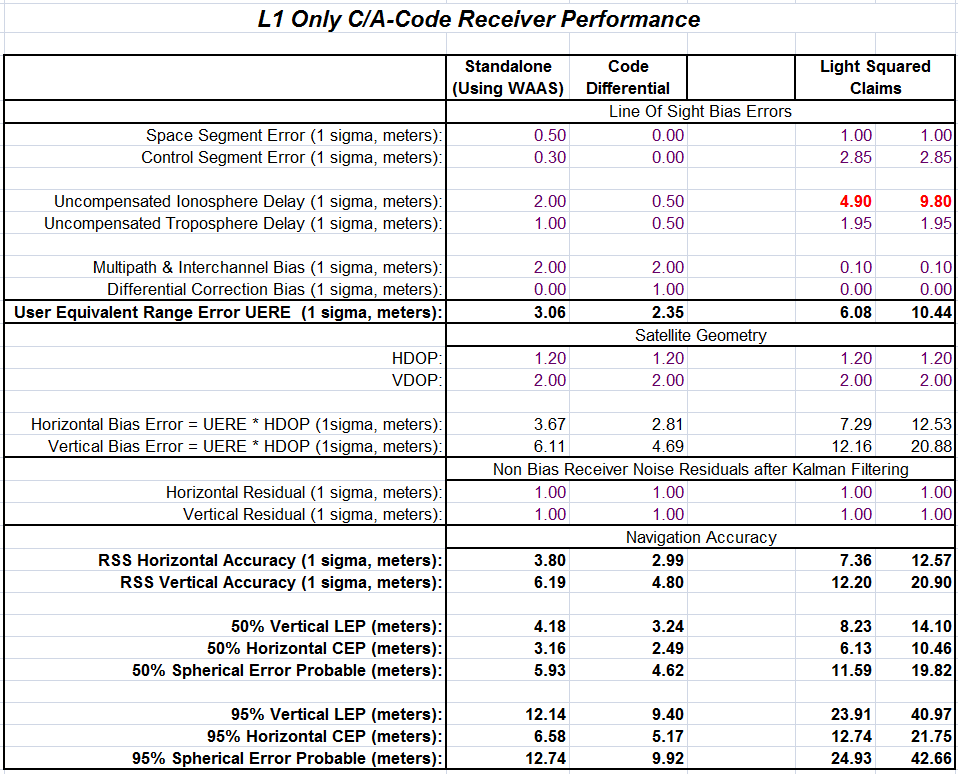
LightSquared’s proposed GPS receiver tests are relying on an outdated standard of GPS accuracy, a choice some experts suggest is a maneuver aimed at dramatically lowering the bar the would-be wireless broadband company has to meet for showing noninterference to GPS signals.

Read More >

By Inside GNSS

August 19, 2015

PTTI 2016: Precise Time and Time Interval Meeting

The Precise Time and Time Interval Systems and Applications meeting is technical conference held each year for PTTI managers, system engineers and program planners. It will be held at the Hyatt Regency in Monterey, California on January 25 through 28. It is sponsored by the Institute of Navigation (ION).

In 2016, for the first time, PTTI will be co-located with the ION International Technical Meeting. Registration for one event entitles attendees to attend all sessions of both events.

Read More >

By Inside GNSS

[uam_ad id="183541"]
August 17, 2015

Ultra-wideband Re-emerges as a GNSS Interference Issue

The Federal Communications Commission (FCC) is weighing a request to waive spectrum rules for a new ultra-wideband (UWB) device that would operate across a wide swath of frequencies including those used by satellite navigation. The proposal has prompted a call for a wider reconsideration of ultra-wideband limits, a suggestion opposed by the GPS community.

Read More >

By Inside GNSS

Appropriations Impasse Could Stall U.S. GPS Programs

The federal government is once again approaching the end of its fiscal year without the appropriations necessary to keep the doors open come October 1 — a reality that could undermine GPS modernization and related programs.

Congress, now in the midst of its August recess, will have just 12 days to sort things out when members return after Labor Day. Under the best of circumstances, lawmakers would almost certainly need to pass a continuing resolution (CR) to extend current spending levels and buy themselves time to hammer out budgetary deals.

Read More >

By Inside GNSS
[uam_ad id="183541"]

Key Lawmakers Move to Make DoD Responsible for eLoran, GPS Backup

U.S. Representative John Garamendi. U.S. Publishing Office photo

A quintet of well-placed lawmakers, tired of federal dawdling, are prepared to make the Pentagon responsible for building and maintaining eLoran as a backup system for GPS. The move could come by the end of the year, possibly through language attached to a must-pass bill.

Leading the bi-partisan charge are Duncan Hunter, R-California, chairman of the House Transportation and Infrastructure Committee, and the subcommittee’s ranking member John Garamendi, D-California.

Read More >

By Inside GNSS

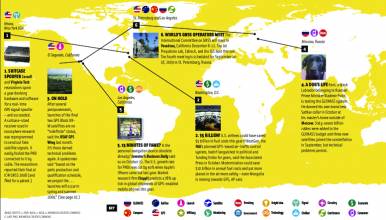
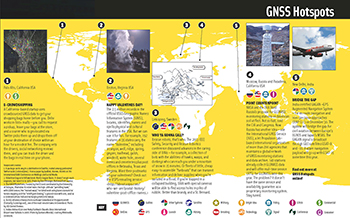
GNSS Hotspots | July 2015

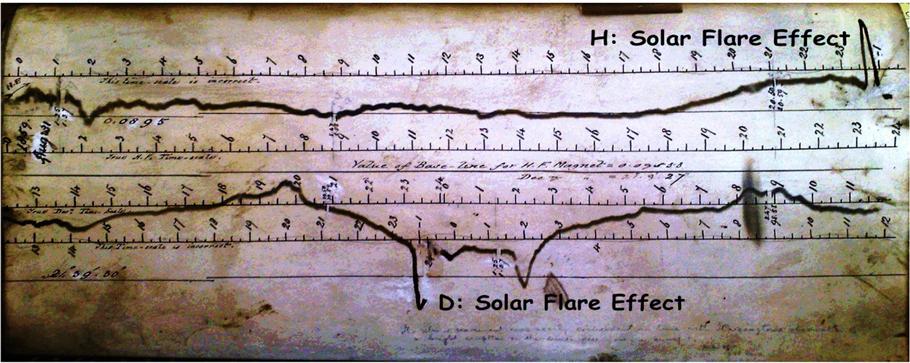
One of 12 magnetograms recorded at Greenwich Observatory during the Great Geomagnetic Storm of 1859
1996 soccer game in the Midwest, (Rick Dikeman image)
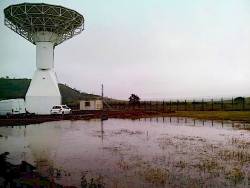
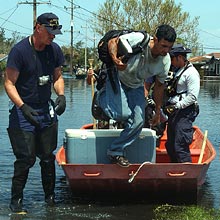
Nouméa ground station after the flood
A pencil and a coffee cup show the size of NASA’s teeny tiny PhoneSat
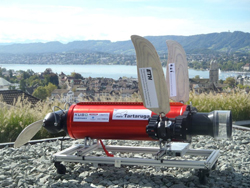
Bonus Hotspot: Naro Tartaruga AUV
Pacific lamprey spawning (photo by Jeremy Monroe, Fresh Waters Illustrated)
“Return of the Bucentaurn to the Molo on Ascension Day”, by (Giovanni Antonio Canal) Canaletto
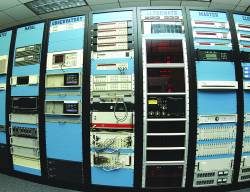
The U.S. Naval Observatory Alternate Master Clock at 2nd Space Operations Squadron, Schriever AFB in Colorado. This photo was taken in January, 2006 during the addition of a leap second. The USNO master clocks control GPS timing. They are accurate to within one second every 20 million years (Satellites are so picky! Humans, on the other hand, just want to know if we’re too late for lunch) USAF photo by A1C Jason Ridder.
Detail of Compass/ BeiDou2 system diagram
Hotspot 6: Beluga A300 600ST

1. RUM DEAL
Moscow, Russia, and Havana, Cuba

Read More >

By Inside GNSS

Officials Delay First GNSS Authorization Request; Light-Squared Tries to Leverage Issue

The U.S. stance on satellite navigation has long supported international cooperation and a degree of interoperability. In 2010 the Obama administration even adopted a space policy that said foreign satnav services could be used “to augment and strengthen the resiliency of GPS.”

That was easier in the abstract, however, when the only fully functional GNSS was GPS. Now, with other GNSS services coming online, American officials want to think things through again.

Read More >

By Dee Ann Divis

ESA and EC at Odds (Again) over Space Governance

At the European Economic and Social Committee’s Space & Society Conference, from left, Daniel Calleja Crespo, director general of European Commission’s DG Growth; EESC Space and Society Project Coordinator Edgardo Maria Iozia, and Giulio Bartolani di Montauto, European Space Agency’s Brussels office.

Reporting from Brussels last year, we explained that the then–brand new EU GNSS Regulation had effectively put to bed years of wrangling over who does what in Europe’s GNSS programs. But the issue reared its head again in Brussels recently, in a highly charged discussion hosted by the European Economic and Social Committee (EESC).

Read More >

By Peter Gutierrez
IGM_e-news_subscribe