Global Navigation Satellite Systems Engineering, Policy, and Design
Global Navigation Satellite Systems Engineering, Policy, and Design
Low Earth Orbit (LEO) satellites are being launched regularly into space to create satellite constellations for a variety of purposes: communication, surveillance, providing…
By Inside GNSS

Telespazio UK, a subsidiary of Telespazio of France and Italy, received a development contract from the European Space Agency (ESA) for a Next…
By Inside GNSS
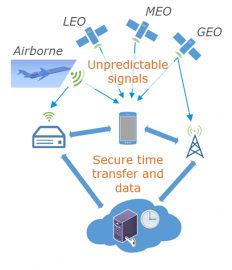
High standards for technology in the lab and in the factory are all very fine, but what matters most is how it works…
By Inside GNSS

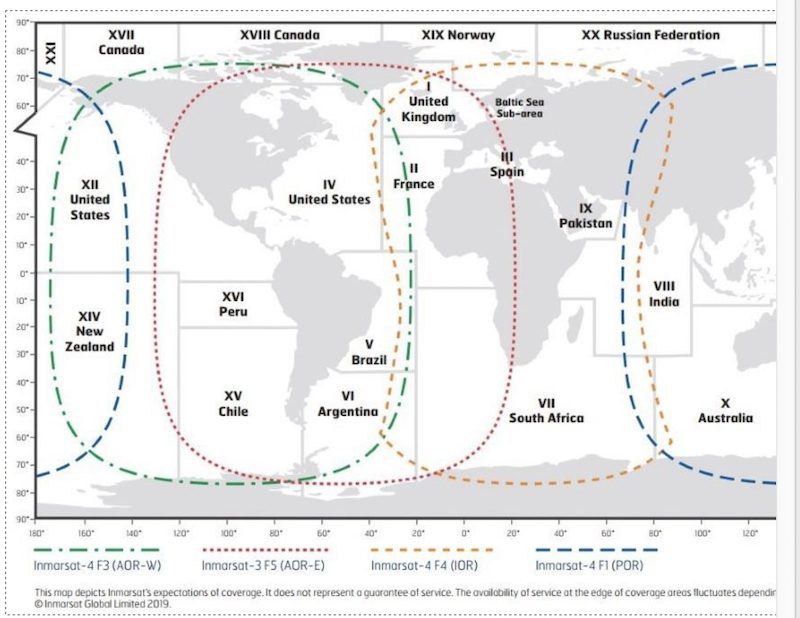
Viasat Inc., a global communications company, will acquire Inmarsat, a provider of global mobile satellite communications services, in a transaction valued at $7.3…
By Inside GNSS
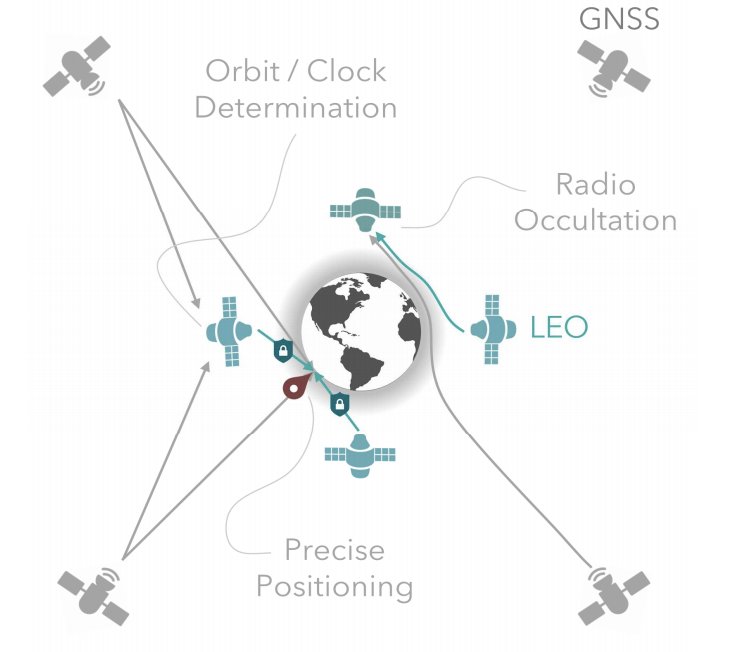
Xona Space Systems and StarNav will jointly develop user equipment capable of receiving Xona’s Pulsar service to produce resilient position, navigation, and timing…
By Inside GNSS
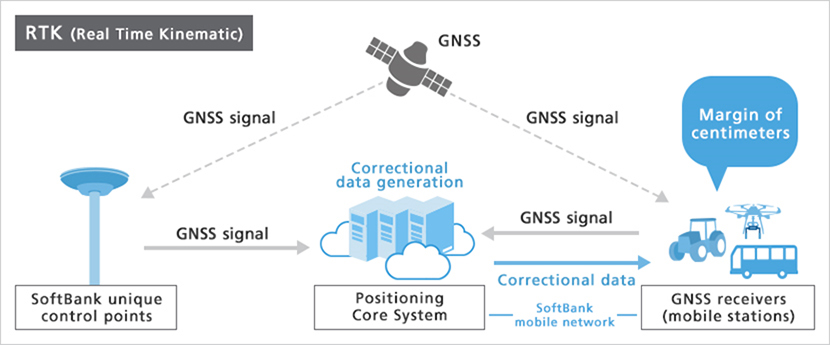
SoftBank Corp., ALES Corp. and u-blox AG have signed a memorandum of understanding to cooperate in GNSS augmentation services for global markets.
By Inside GNSS
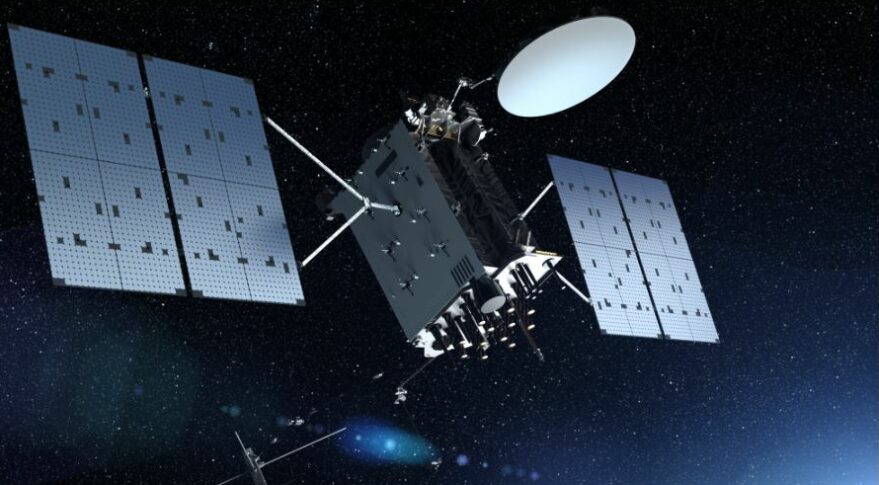
The U.S. Space Force ordered three GPS 3F satellites from Lockheed Martin for $737 million, exercising an option to purchase the satellites under…
By Inside GNSS
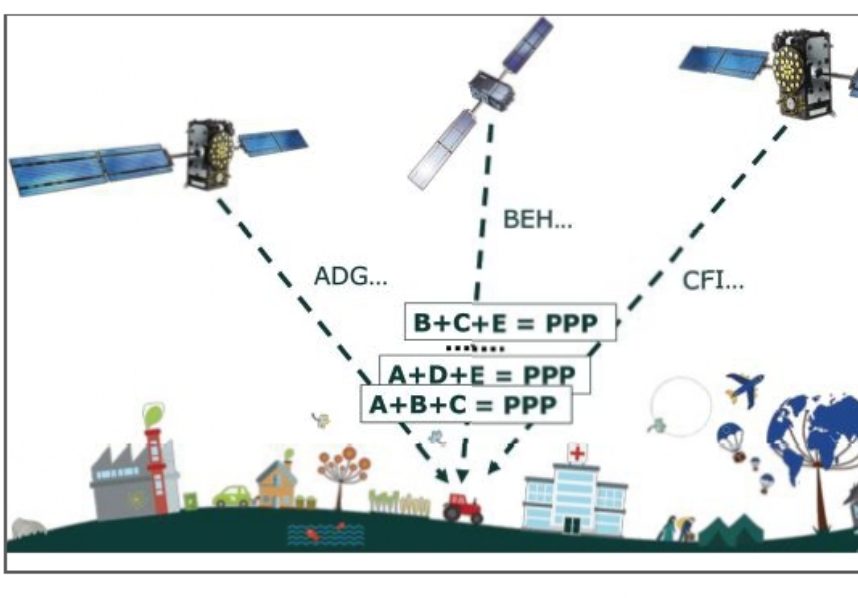
Spirent Communications plc, a provider of GNSS)testing and assurance solutions, has launched a commercially available simulation test solution for the Galileo High Accuracy…
By Inside GNSS
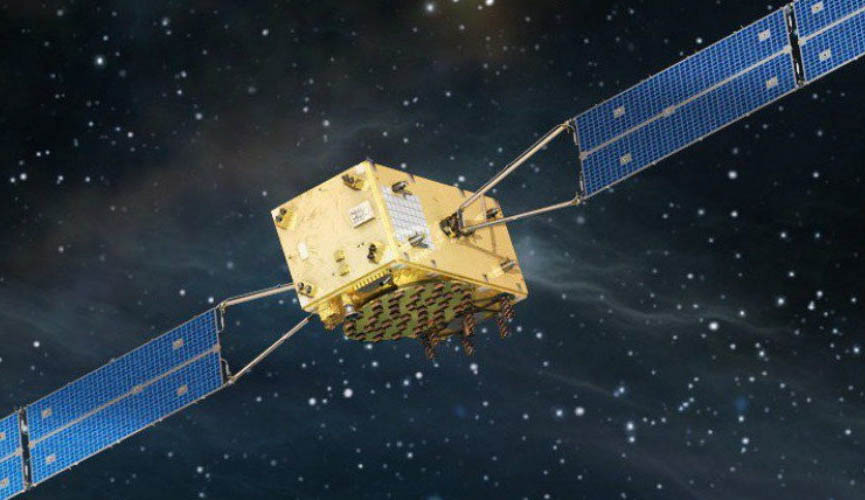
A research team at the Fraunhofer Institute for Integrated Circuits (IIS) in Germany authenticated Galileo’s live Open Service Navigation Message Authentication (OSNMA) signal…
By Inside GNSS
Analog Devices, Inc. (ADI) recently received four Electronics Industry 2021 Awards presented by Datateam Business Media. The Electronics Industry Awards honor the best professionals,…
By Inside GNSS

ADVA introduced its OSA 5400 SyncModule embedded timing solution, enabling technology suppliers to integrate precise synchronization into their hardware. The M.2 form factor…
By Inside GNSS

Tallysman Wireless of Ottawa, Canada, announced its new TW162A automotive-grade smart power GNSS signal splitter. It supports the full GNSS spectrum
By Inside GNSS

Representatives from 50 African countries attended the first China-Africa BeiDou Navigation Satellite System, held in Beijing on November 5, organized by the China…
By Inside GNSS

Hexagon | NovAtel announced that its PwrPak7-E1 GNSS receiver is now supported on the NVIDIA DRIVE Hyperion autonomous vehicle (AV) development platform. NVIDIA…
By Inside GNSS

Honeywell today announced that it has launched two new resilient navigation systems: the Honeywell Compact Inertial Navigation System and Honeywell Radar Velocity System.
By Inside GNSS