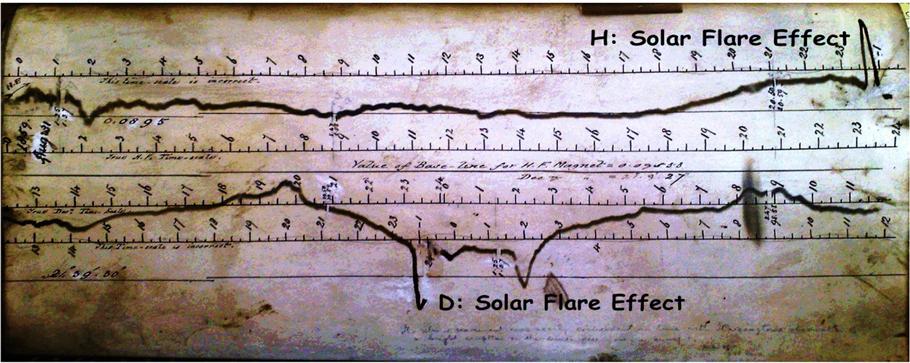
 One of 12 magnetograms recorded at Greenwich Observatory during the Great Geomagnetic Storm of 1859
 1996 soccer game in the Midwest, (Rick Dikeman image)
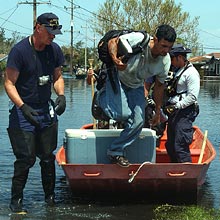
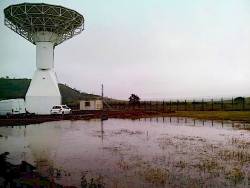 Nouméa ground station after the flood
 A pencil and a coffee cup show the size of NASA’s teeny tiny PhoneSat
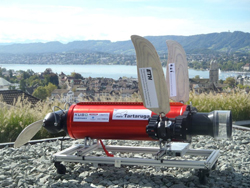 Bonus Hotspot: Naro Tartaruga AUV
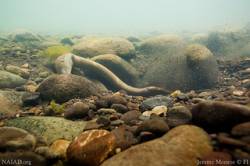 Pacific lamprey spawning (photo by Jeremy Monroe, Fresh Waters Illustrated)
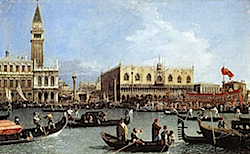 “Return of the Bucentaurn to the Molo on Ascension Day”, by (Giovanni Antonio Canal) Canaletto
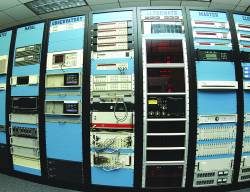 The U.S. Naval Observatory Alternate Master Clock at 2nd Space Operations Squadron, Schriever AFB in Colorado. This photo was taken in January, 2006 during the addition of a leap second. The USNO master clocks control GPS timing. They are accurate to within one second every 20 million years (Satellites are so picky! Humans, on the other hand, just want to know if we’re too late for lunch) USAF photo by A1C Jason Ridder.
 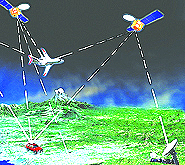 Detail of Compass/ BeiDou2 system diagram
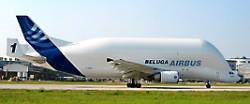 Hotspot 6: Beluga A300 600ST
1. PAPER CUTS
Washington, Oklahoma, Ohio, Georgia, Pennsylvania
√ State transportation departments in Georgia, Pennsylvania, Oklahoma, and Ohio are printing fewer state highway maps, says the Associated Press. Washington did away with them entirely. Blame it on the double whammy of public sector budget cuts and smartphone, handheld, and in-car GPS. But there are lots of holdouts. As one Indiana man said, without a paper map, “You’re beholden to the GPS lady, you know?”
Read More >
By Inside GNSS

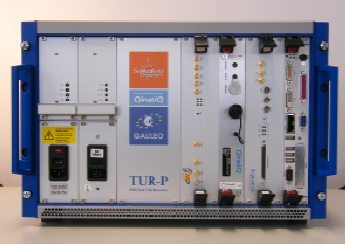
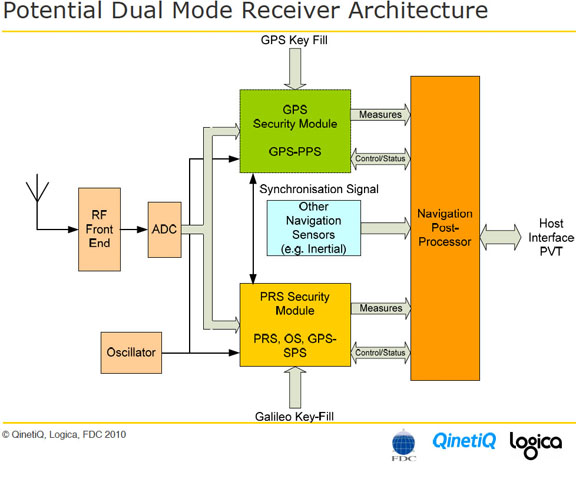 Nominal architecture of a GPS/Galileo PRS receiver