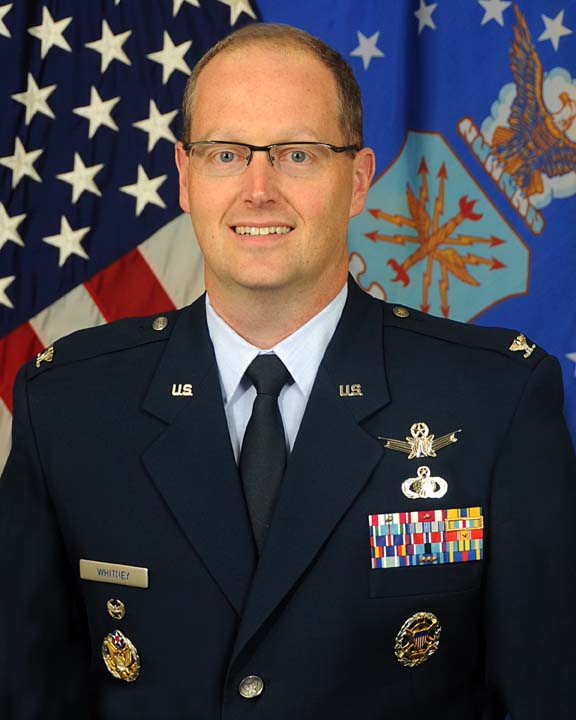
New GPS Director Brings Technical, Space Program Background

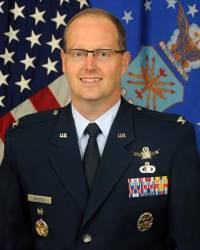
With experience in satellite procurement, user equipment development and working with Congress, Col. Steven Whitney may be just the chief the GPS Directorate needs.
By Inside GNSS
With experience in satellite procurement, user equipment development and working with Congress, Col. Steven Whitney may be just the chief the GPS Directorate needs.
By Inside GNSS
A new federal watchdog report released yesterday (September 9, 2015) questions the outlook for the still-developing GPS ground control system saying the Pentagon may not fully understand the true cause of ongoing problems in a program where further delays “may likely pose significant risks to sustaining the GPS constellation and delivering GPS capability.”
By Inside GNSS
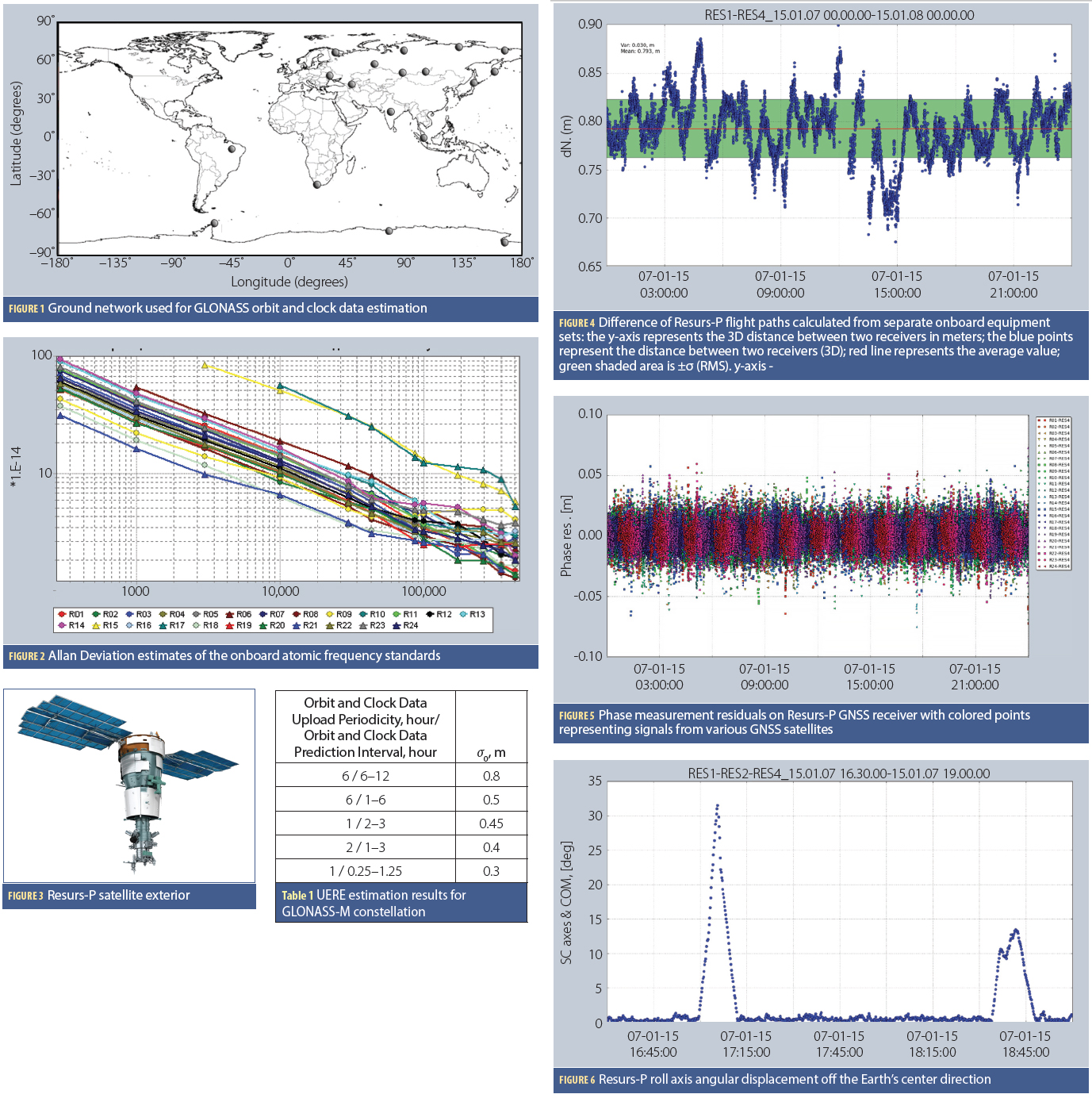
Figures and TablesThe current stage of GLONASS evolution is aimed at meeting future user requirements of which the most important is the improved accuracy of positioning.
During the implementation of the GLONASS Space Segment Modernization Program (2012–2015), the GLONASS team is facing the situation in which it is not feasible to launch new navigation satellites because the existing constellation is comprised of GLONASS-M satellites operating beyond their guaranteed design lifetime. Nine more GLONASS-M satellites are in ground storage.
By Inside GNSSMost folks look to a new year as an opportunity for fresh starts and new projects. For the GPS community, however, the October 1 start of the 2016 federal fiscal year (FY16) will likely be more about the hangover — that is, the issues that are hanging over into the next 12 months, unresolved.
At the top of that list of unfinished business are two system decisions: a go/no-go determination on whether the United States will build eLoran as the U.S. backup to GPS and deciding whether or not to choose a new contractor for the GPS III program.
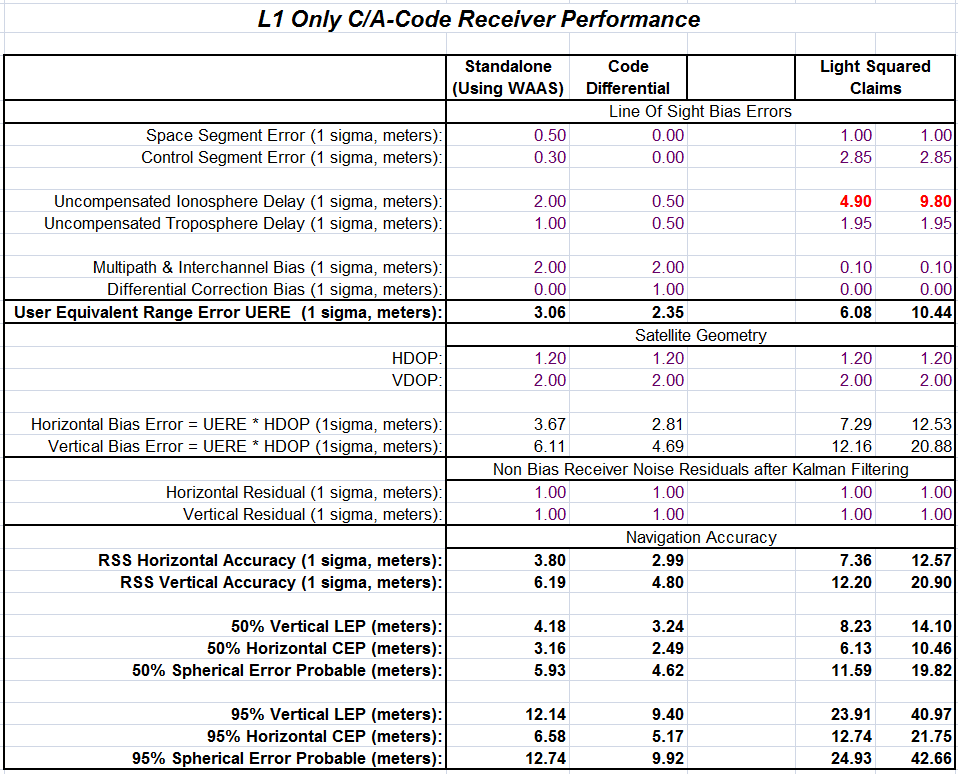
By Dee Ann DivisLightSquared’s proposed GPS receiver tests are relying on an outdated standard of GPS accuracy, a choice some experts suggest is a maneuver aimed at dramatically lowering the bar the would-be wireless broadband company has to meet for showing noninterference to GPS signals.
By Inside GNSS
The Precise Time and Time Interval Systems and Applications meeting is technical conference held each year for PTTI managers, system engineers and program planners. It will be held at the Hyatt Regency in Monterey, California on January 25 through 28. It is sponsored by the Institute of Navigation (ION).
In 2016, for the first time, PTTI will be co-located with the ION International Technical Meeting. Registration for one event entitles attendees to attend all sessions of both events.
By Inside GNSSThe federal government is once again approaching the end of its fiscal year without the appropriations necessary to keep the doors open come October 1 — a reality that could undermine GPS modernization and related programs.
Congress, now in the midst of its August recess, will have just 12 days to sort things out when members return after Labor Day. Under the best of circumstances, lawmakers would almost certainly need to pass a continuing resolution (CR) to extend current spending levels and buy themselves time to hammer out budgetary deals.
By Inside GNSSIn sharp contrast to the strong support given to the military’s satellite navigation programs in the next fiscal year, Congress is considering cutting every GPS-related programs supported by the Department of Transportation (DoT).
By Inside GNSS
With just weeks to go before Congress disperses for a month-long break lawmakers have yet to finalize either a defense funding bill or legislation authorizing military spending for fiscal year 2016. The way forward looks particularly rocky as enacting both bills will require resolving a yearslong fight over spending caps.
By Inside GNSSThe U.S. stance on satellite navigation has long supported international cooperation and a degree of interoperability. In 2010 the Obama administration even adopted a space policy that said foreign satnav services could be used “to augment and strengthen the resiliency of GPS.”
That was easier in the abstract, however, when the only fully functional GNSS was GPS. Now, with other GNSS services coming online, American officials want to think things through again.
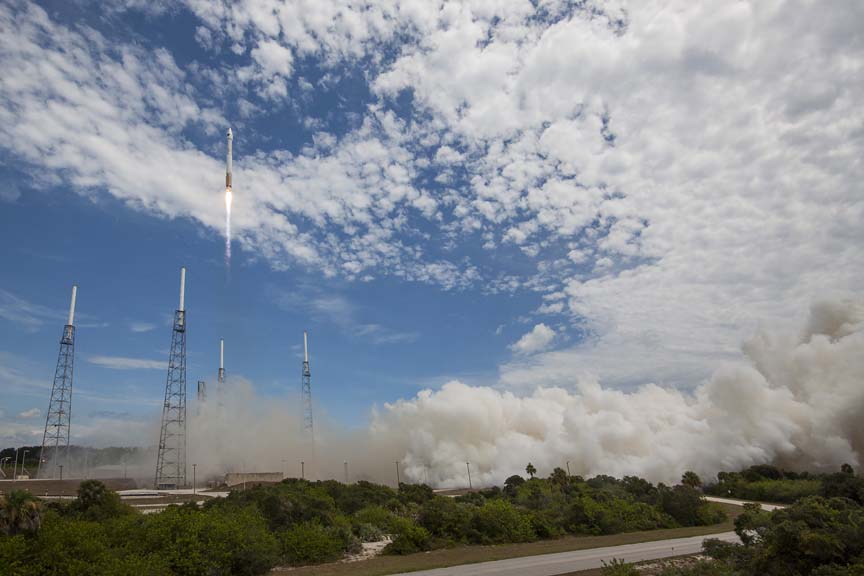
By Dee Ann DivisThe U.S. Air Force and its mission partners successfully launched the 10th Boeing-built GPS IIF satellite aboard a United Launch Alliance Atlas V from Cape Canaveral Air Force Stations today (July 15, 2015).
The spacecraft is destined for plane C/slot 3 of the GPS constellation
The launch almost coincided with Friday’s 20th anniversary of the declaration of full operational capability (FOC) for the GPS constellation, which occurred on July 17, 1995.
Just two GPS IIF satellites remain to be launched — Atlas V rockets will be used to launch both.
By Inside GNSS
Col. Steve Whitney now heads GPS DirectorateColonel Steve Whitney was sworn in Wednesday (July 8, 2015) as the director of the Global Positioning Systems (GPS) Directorate, Space and Missile Systems Center, Air Force Space Command, Los Angeles Air Force Base, California.
By Inside GNSS
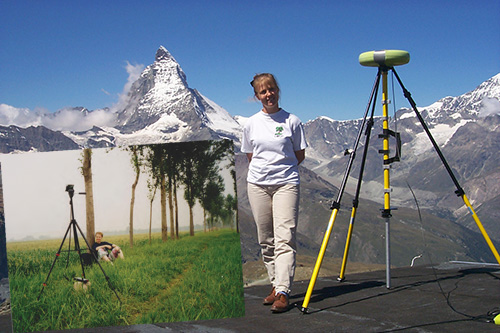
Valérie Renaudin’s Compass Points
Geomatics engineer Valérie Renaudin now directs a major research laboratory in Nantes, France, working on the future of personal navigation and intelligent transportation systems (ITS).
By Inside GNSS