
GLONASS

GNSS Vulnerability Scores at Wide-Ranging INC 2015

Ray Clore, U.S. State Department. Peter Gutierrez photo

Almost half of the sessions at the International Navigation Conference (INC) 2015 held this week (February 24–26) in Manchester, England, were devoted to the theme of GNSS resilience and vulnerability, a topic that Dana Goward of the Resilient Navigation and Timing Foundation has been trying to drive home for years.

Read More >

By Inside GNSS

Unsatisfied with ICAO’s Pace, Congress May Push U.S. Aircraft Tracking Requirement

U.S. lawmakers, dissatisfied with the pace of international efforts to prevent losses like that of an Malaysia Airlines plane last year, may push through legislation requiring tracking capability on planes operating in the United States.

Nearly a year after flight MH370 disappeared over the Indian Ocean, the International Civil Aviation Organization (ICAO) is a year away from adopting a standard for aircraft tracking technology, Ambassador Michael Lawson, the U. S. representative to the organization told lawmakers on Wednesday.

Read More >

By Inside GNSS

Hailing GNSS, UK Event Offers Alternatives When It Fails

A range of new technologies for indoor positioning and navigation were unveiled at the International Navigation Conference (INC) 2015 held this week (February 24–26) in Manchester, England.
 
Organized by the Royal Institute of Navigation (RIN), the premier event in this new conference series focused on GNSS, its strengths and weaknesses.
 

Read More >

By Inside GNSS
[uam_ad id="183541"]
February 13, 2015

DoT Sets Another GPS/GNSS Workshop on Adjacent Band Compatibility, Receiver Testing

A Federal Register notice published today (February 13, 2015) announced a third U.S. Department of Transportation workshop on March 12 to continue discussions of the Global Positioning System (GPS) Adjacent Band Compatibility Assessment Plan.

The workshop will focus on identification of GPS and GNSS receivers to be considered for testing that are representative of the current categories of user applications and discuss a GPS/GNSS receiver test plan.

Read More >

By Inside GNSS
February 10, 2015

New Trimble GNSS Product Upgrades Consumer Devices for Professional Applications

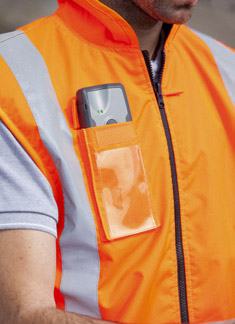
Trimble introduced today (February 10, 2015) the R1 GNSS receiver, a pocket-sized, standalone, single-frequency (L1/G1) receiver that works with iOS, Android or Window mobile handhelds, smart phones, and tablets using Bluetooth connectivity.
 
When paired with a smart device, the receiver/antenna combination adds GNSS geo-location capabilities to transform consumer devices into high-accuracy mobile data collection systems. The 44–parallel channel receiver can track GPS, GLONASS, Galileo, BeiDou, and Quasi-Zenith Satellite System (QZSS) signals.
 

Read More >

By Inside GNSS
February 4, 2015

ICAO Recommends New Flight-Tracking Performance Standard

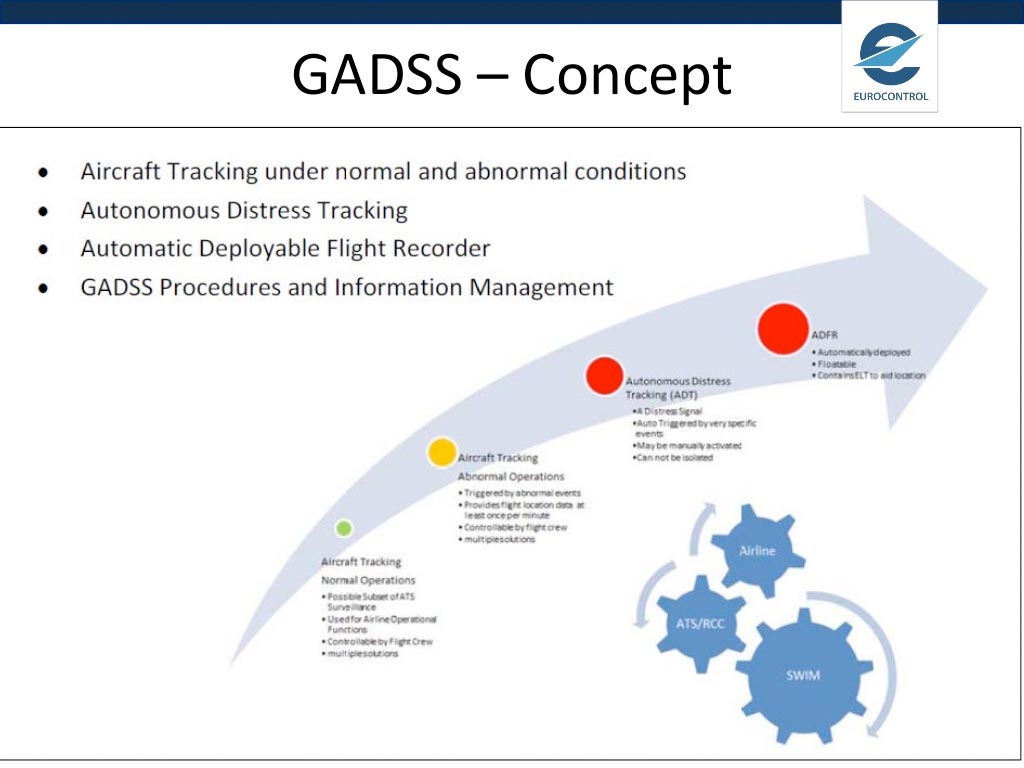
Member states of the International Civil Aviation Organization (ICAO) recommended the adoption of a new 15-minute aircraft tracking standard yesterday (February 3, 2015) during discussions among more than 850 participants to the UN aviation body’s 2015 High Level Safety Conference in Montreal, Canada.

The recommended standard is performance-based and not prescriptive, meaning that global airlines would be able to meet it using the available and planned technologies and procedures they deem suitable.

Read More >

By Inside GNSS
[uam_ad id="183541"]
January 19, 2015

Galileo Upgrade Will Cause Temporary Decline in Service

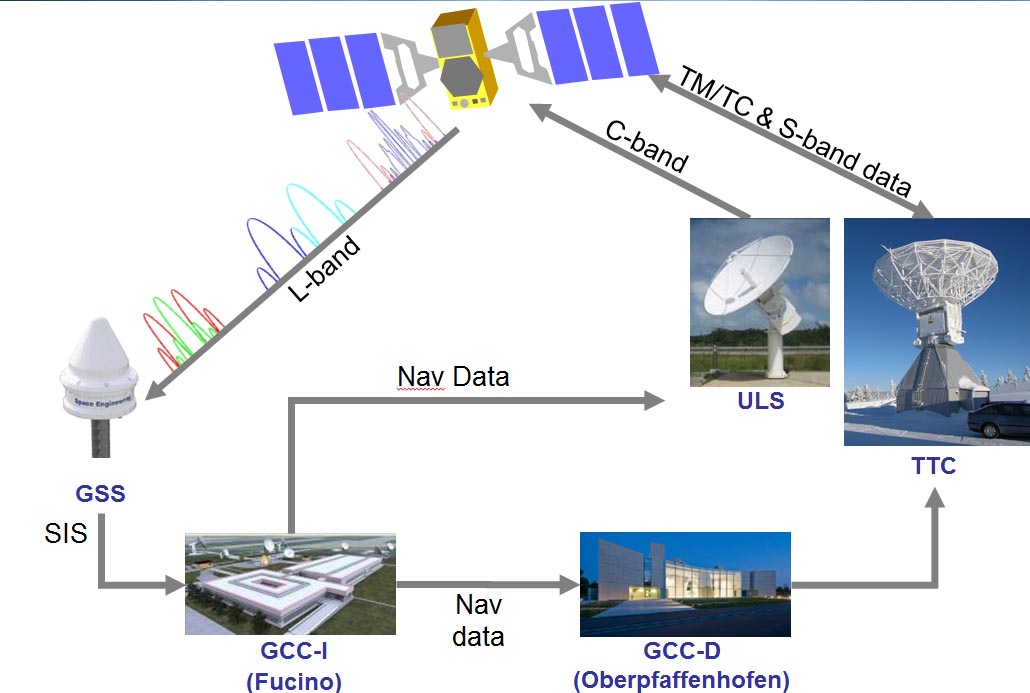
Galileo Sensor Stations (GSSs) pick up Galileo signals in space (SIS) to perform clock synchronisation and orbit measurements which are fed back to the twin Galileo Control Centres to serve as the basis of the navigation message incorporating clock and position corrections and associated integrity data. Uplink Stations (ULSs) then uplink this navigation message to the Galileo satellite navigation payloads for rebroadcast to users. Telemetry, Tracking and Command Stations (TT&Cs) provide the link between the Control Centres and the satellite platforms. ESA figure

Galileo’s operation controllers will temporarily stop updating satellite orbital positions in the system’s navigation messages beginning near the end of this month in order to help implement upgrades in the ground mission segment, the European Space Agency (ESA) announced today (January 19, 2015).

Although the Galileo satellites will continue to transmit navigation signals, the generation and uplink of updated navigation messages will be interrupted during the last week of January for about five weeks.

Read More >

By Inside GNSS
January 18, 2015

The Party Crashers

These days getting the United States, Russia, China, and Europe to agree on a common policy seems to be an increasingly rare event.

That’s why the long-standing comity among system operators in the GNSS sphere is particularly notable and welcome. “Interoperable and compatible” is the first principle espoused by the four nations under the aegis of the International Committee on GNSS.

Read More >

By Dee Ann Divis
January 16, 2015

Trimble Launches Timing Portfolio for Mobile Telecom

ICM SMT 360 timing module

Trimble has introduced a new portfolio of GNSS-based time and frequency products to address the synchronization needs of the fast-growing 4G LTE (Long Term Evolution) small-cell telecom market.

Mobile telecom networks, whether 3G, 4G LTE, LTE-Advanced (LTE-A) wireless technologies, or a combination, need high-precision synchronization and syntonization.

Read More >

By Inside GNSS
1 6 7 8 9 10 31
IGM_e-news_subscribe