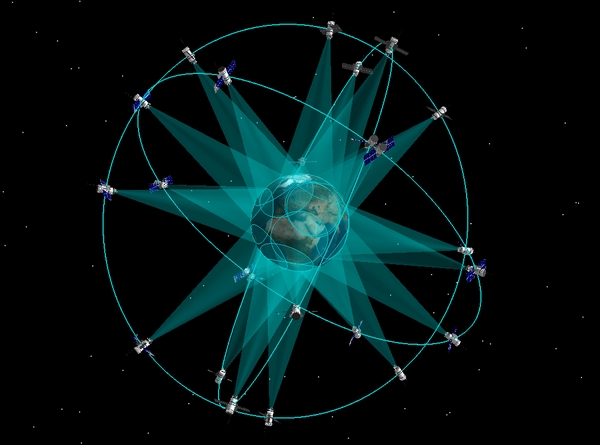

GLONASS

January 23, 2013

Markets and Multi-Frequency GNSS

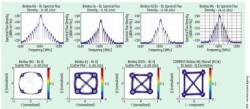
FIGURE 1: Proposal to have a single chip GNSS receiver with additional pins to allow for the inclusion of an additional radio

Q: What will limit the spread of multi-frequency GNSS receivers into the mass market?

A: To set the scene, we need to define our terms of reference. By multi-frequency we mean receivers that operate with navigation signals in more than just the standard upper L-band from about 1560–1610 MHz where we find GPS L1, Galileo E1, Compass B1, and GLONASS L1. The obvious additional frequency is the lower L-band, from about 1170 to 1300 MHz, where again the same four constellations have signals.

Read More >

By Inside GNSS

The GNSS Merry Go Round

The whole GNSS world should have a warm spot in its heart for centripetal forces.

After all, a centripetal force — in this case, gravity — is what keeps planets in rotation around our Sun and satellites, around the Earth.

Centrifugal force, of course, is what throws us off a merry-go-round or carousel. Centripetal force is what keeps us on board.

For those on a merry-go-round, the centripetal force is not gravity, but rather the tensile strength of our arms pulling us toward the center of rotation, at right angles to the motion of our seats.

Read More >

By Inside GNSS
[uam_ad id="183541"]
January 8, 2013

Receiver standards? January 22 webinar discusses why, what and how

Do we need performance specs for GNSS user equipment design? For a long time, the signal-in-space interface guidelines provided enough technical guidance. But times have changed.

Over the past two years, the effort by LightSquared to persuade the FCC to allow it to operate high-powered terrestrial transmitters in frequencies adjacent to GPS focused attention on potential vulnerabilities of GNSS user equipment.

Read More >

By Inside GNSS
[uam_ad id="183541"]

Septentrio Tracks BeiDou GNSS Signals Using New ICD

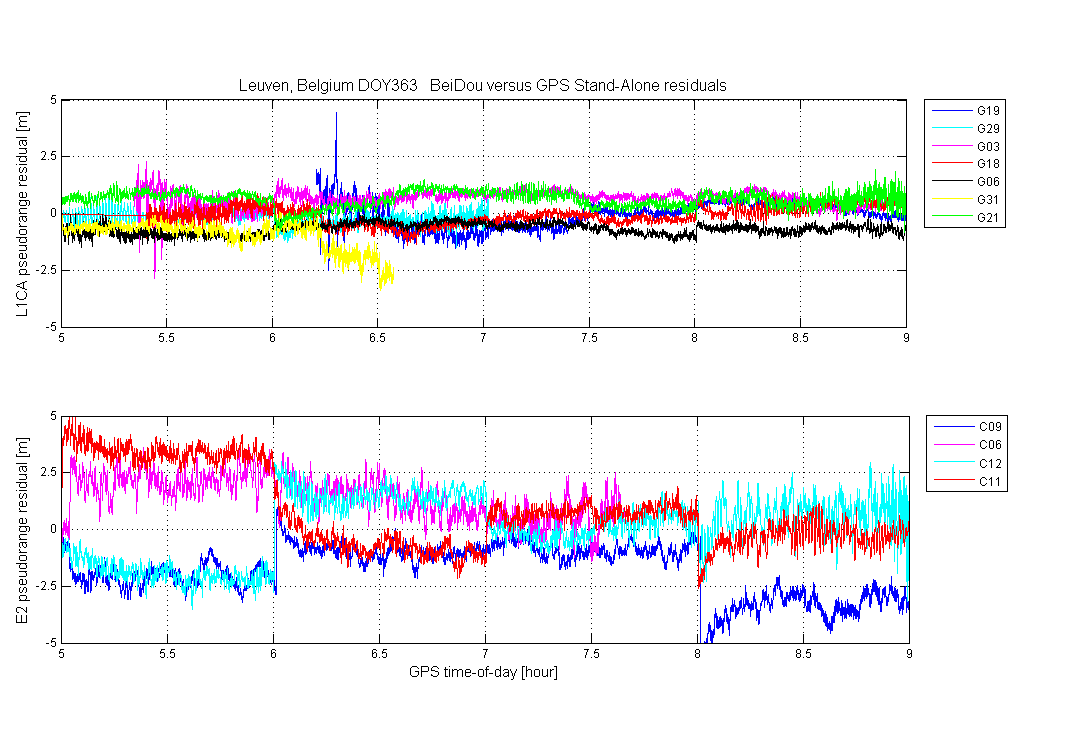
Figure 2. L1 pseudorange residuals (m) for GPS (L1 C/A, top) and COMPASS (B1-I, bottom) vs. time of day (hour).

Septentrio reported today (January 8, 2013) that the Belgium-headquartered GNSS receiver manufacturer has successfully computed a position/velocity/time (PVT) calculation using BeiDou/Compass satellites in a three-constellation (GPS+GLONASS+BeiDou) solution.

"We are positively surprised of the better than expected performance coming out of what we characterize to be ‘a quite mature constellation,’” Laurent Le Thuaut, Septentrio’s business development manager, told Inside GNSS in an e-mail.

Read More >

By Inside GNSS
January 3, 2013

ION International Technical Meeting 2013

The Institute of Navigation’s 2013 International Technical Meeting will take place January 28, 29 and 30 at the Catamaran Resort Hotel on Mission Bay in San Diego, California.

Stanford’s Sherman Lo will moderate the plenary session, "Exploring the Frontiers of Navigation: Unique and exciting new uses of navigation technologies."

The 120 technical session papers address:

Read More >

By Inside GNSS
December 11, 2012

Longer Show Hours, Fewer Days for ION GNSS 2013 Exhibitors

ION GNSS 2012

Companies who exhibit at the Institute of Navigation GNSS conference next September will have longer exhibit hall hours to work the floor – but fewer days to do so – at the 2013 event in Nashville, Tennessee.

Based on feedback from exhibitors, ION will eliminate the Friday hours for the industry show and increase the Wednesday and Thursday hours next year.  

Read More >

By Inside GNSS
November 26, 2012

Our Harvest Being Gotten In

This is, as they say in Hollywood, a wrap.

The final issue of our seventh year heads off to the printer. And tomorrow I will point my car north and west, returning as generations of Americans have done over the centuries to the family farm, the “home place,” for Thanksgiving.

Because this is the season for gathering in and counting up. For gratitude at what we have received in the year past, and for those untoward things that we have avoided.

Read More >

By Inside GNSS
November 24, 2012

GLONASS Chief Designer Dismissed, Resigns as Director of JSC Russian Space Systems

Yuri Urlichich, JSC Russian Space Systems

[Updated November 23] Yuri Urlichich has been dismissed from his post as general designer of the GLONASS satellite navigation system, according to Russian news media reports.

The decision was made by the Russian military-industrial commission, which is headed by Deputy Prime Minister Dmitry Rogozin.

Two weeks later, on November 23, Urlichich cited illness and resigned as director general of JSC Russian Space Systems, which contributes to the operation of a number of the nation’s leading space programs in addition to GLONASS.

Read More >

By Inside GNSS
November 18, 2012

ICAO AN-Conf/12: 12th Air Navigation Conference

The International Civil Aviation Organization, a specialized agency of the United Nations, will hold its 12th Air Navigation Conference (AN-Conf/12) at the ICAO headquarters assembly hall in the Quartier National of Montreal from November 19 through November 30, 2012. The conferences take place every 10 years.

Read More >

By Inside GNSS
1 16 17 18 19 20 31
IGM_e-news_subscribe