Galileo

Expanding EGNOS Horizons

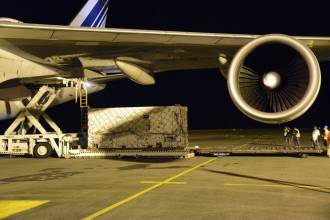
GPS+EGNOS tracking device able to use EGNOS OS and EDAS mounted on a container

The European Geostationary Navigation Overlay Service (EGNOS) has a European regional coverage that could be extended quite easily to areas adjacent to the European Union. Backed by the European Commission, a public/private consortium is operating programs of technical assistance to prepare nations in the Mediterranean region to adopt and exploit European GNSS services in their priority market segments, namely aviation and road freight transport/logistics.

Read More >

By Inside GNSS
March 5, 2015

UAV Want List (with GNSS Already on Board): A Coherent Regulatory Framework for Europe

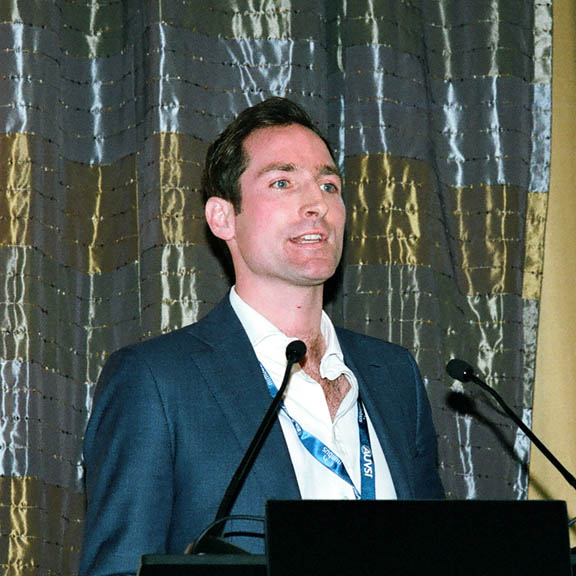
Chris Blackford of Sky-Futures speaking at AUVSI’s Unmanned Systems Europe 2015. Peter Gutierrez photo

Just as you do when you get in your car, the UAS, UAV, drone, RPAS and even ROAV communities — who probably need to agree on an acronym — are beginning to take GNSS for granted. But presenters at the AUVSI Unmanned Systems Europe 2015 conference held Tuesday and Wednesday (March 3–4, 2015) in Brussels had little to say on the subject, to our great disappointment, even though virtually all of the vehicle/vessel systems under discussion use it and need it.

Read More >

By Inside GNSS
[uam_ad id="183541"]

Simulator Manufacturer Flags Leap Second Issue

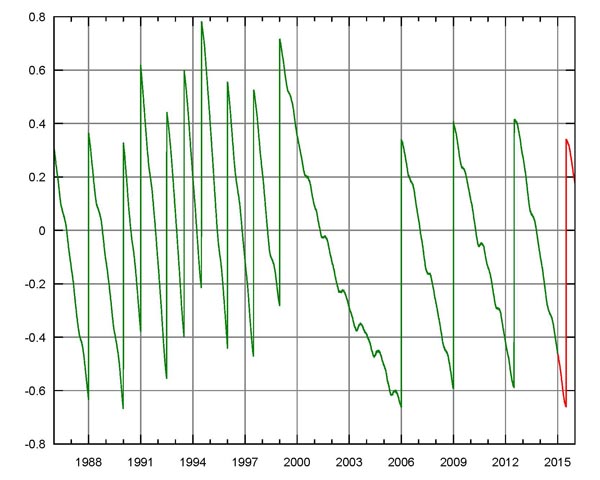
Graph showing the difference between UT1 and UTC. Vertical segments correspond to leap seconds. Source: Wikimedia Commons

Differences between BeiDou and GPS and Galileo in designation of a “day number” for the date of applying leap second later this year could cause problems for GNSS receiver manufacturers, according to UK-based simulator provider Racelogic.

Read More >

By Inside GNSS
February 27, 2015

FCC Issues New Rules on E911 Location Standards, Options Besides GNSS

New rules recently adopted by the Federal Communications Commission (FCC) to help emergency responders better locate wireless 911 callers highlight the role of GPS and GNSS technologies while boosting the use of alternative positioning technologies in indoor locations.

However, the new enhanced (11 (E911) rules, adopted January 29 and published on February 4, explicitly avoided a decision on the use of GNSS systems other than GPS.

Read More >

By Inside GNSS
[uam_ad id="183541"]

GNSS Vulnerability Scores at Wide-Ranging INC 2015

Ray Clore, U.S. State Department. Peter Gutierrez photo

Almost half of the sessions at the International Navigation Conference (INC) 2015 held this week (February 24–26) in Manchester, England, were devoted to the theme of GNSS resilience and vulnerability, a topic that Dana Goward of the Resilient Navigation and Timing Foundation has been trying to drive home for years.

Read More >

By Inside GNSS

Unsatisfied with ICAO’s Pace, Congress May Push U.S. Aircraft Tracking Requirement

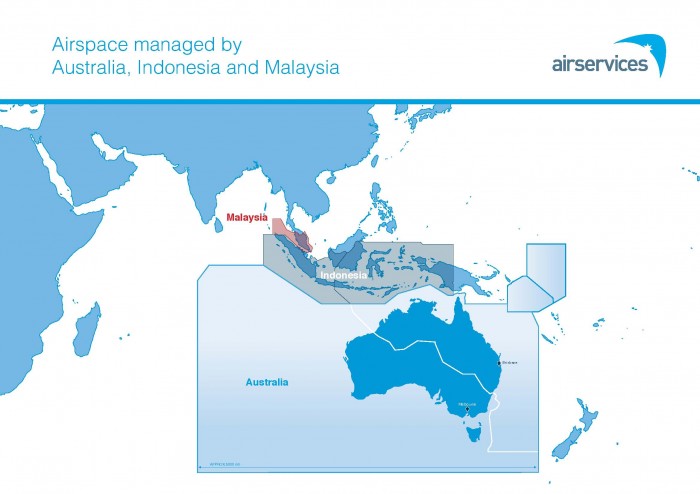
U.S. lawmakers, dissatisfied with the pace of international efforts to prevent losses like that of an Malaysia Airlines plane last year, may push through legislation requiring tracking capability on planes operating in the United States.

Nearly a year after flight MH370 disappeared over the Indian Ocean, the International Civil Aviation Organization (ICAO) is a year away from adopting a standard for aircraft tracking technology, Ambassador Michael Lawson, the U. S. representative to the organization told lawmakers on Wednesday.

Read More >

By Inside GNSS

Hailing GNSS, UK Event Offers Alternatives When It Fails

A range of new technologies for indoor positioning and navigation were unveiled at the International Navigation Conference (INC) 2015 held this week (February 24–26) in Manchester, England.
 
Organized by the Royal Institute of Navigation (RIN), the premier event in this new conference series focused on GNSS, its strengths and weaknesses.
 

Read More >

By Inside GNSS
February 13, 2015

GATE Galileo Testbed Achieves Re-Certification

Berchtesgaden, Germany

The Galileo Test and Development Environment (GATE), located near Berchtesgaden in southern Bavaria, Germany, has been recertified for operation, extending the operational life of the facility through January 2016, according to its operator, IFEN GmbH

GATE enables companies and research organizations to use the testbed for various experiments, taking advantage of the eight ground transmitters emitting the Galileo signals towards the 25-square-kilometer core test area.

Read More >

By Inside GNSS

DoT Sets Another GPS/GNSS Workshop on Adjacent Band Compatibility, Receiver Testing

A Federal Register notice published today (February 13, 2015) announced a third U.S. Department of Transportation workshop on March 12 to continue discussions of the Global Positioning System (GPS) Adjacent Band Compatibility Assessment Plan.

The workshop will focus on identification of GPS and GNSS receivers to be considered for testing that are representative of the current categories of user applications and discuss a GPS/GNSS receiver test plan.

Read More >

By Inside GNSS
February 10, 2015

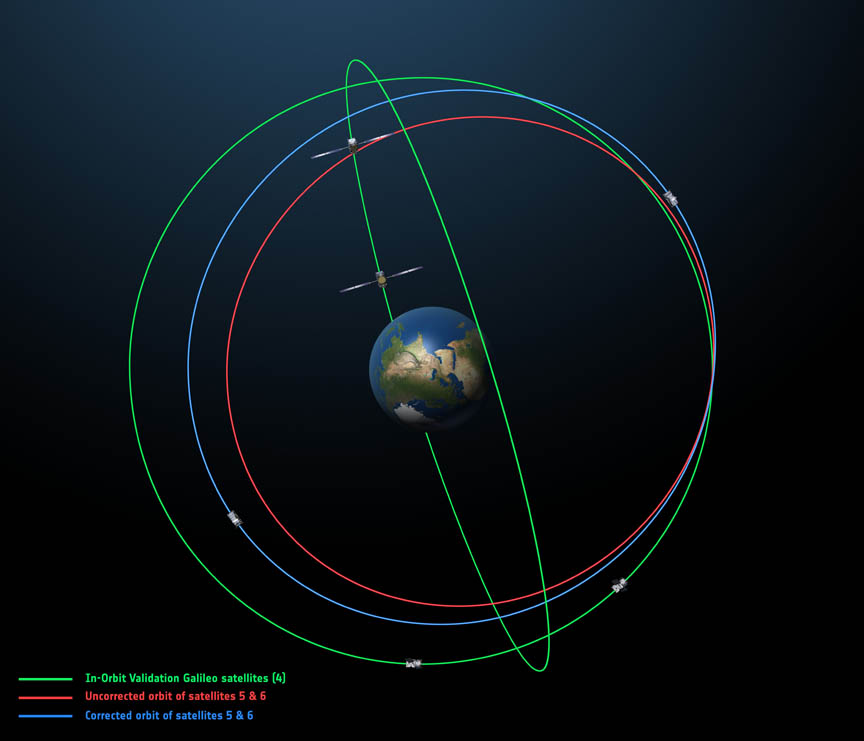
Galileo Satellites Reach French Guiana for March Launch

Two more Galileo full operational capability (FOC) satellites have reached French Guiana in preparation for a late-March launch from the European spaceport there.
 
The seventh and eighth Galileo satellites — the third and fourth FOC spacecraft — will be launched together by Soyuz during last week of March, following the European Commission’s endorsement of the resumption of Galileo launches that had been interrupted after the previous Soyuz launch last August placed satellites into the wrong orbit.
 

Read More >

By Inside GNSS
1 41 42 43 44 45 82
IGM_e-news_subscribe