Galileo

ENC 2016: European Navigation Conference

Finlandia Hall conference center

The 2016 ENC will take place at Finlandia Hall in downtown Helsinki on May 30 and 31 and June 1 and 2. The event will focus on innovations in positioning, navigation and timing technologies and applications at land, sea and air. Topic areas include GNSS positioning,indoor and urban navigation and position based applications.

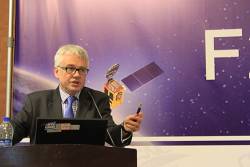
The opening keynote speaker will be Matthias Petschke, director for European Satellite Navigation Programs, European Commission. The conference endnote will be presented by John Raquet, U.S. Air Force Institute of Technology.

Read More >

By Inside GNSS
December 17, 2015

Galileo Program Adds Pair of Satellites to Constellation

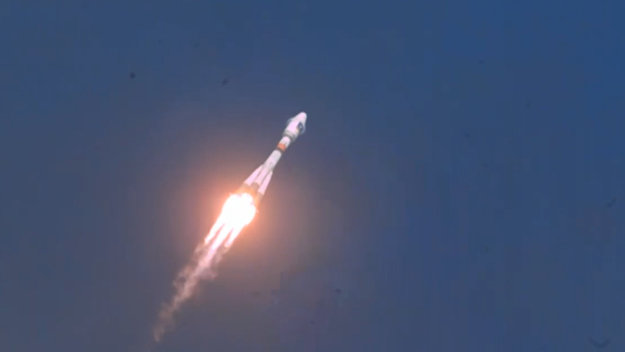
Europe’s GNSS program placed two more satellites into orbit today (December 17, 2015), doubling the number of Galileo spacecraft in space in the course of nine months from 6 to 12.

Galileo 11 and 12 — the full Operational Capability (FOC) satellites numbers 7 and 8 — lifted off together at 6:51 a.m. EST (12:51 CET, 11:51 UTC, 8:51 a.m. local time) atop a Soyuz rocket from Europe’s spaceport near Kourou, French Guiana.

Read More >

By Inside GNSS
[uam_ad id="183541"]
December 2, 2015

Two New Galileo Satellites Enter Service

Another pair of Galileo satellites is now fully operational, broadcasting navigation signals and, since Tuesday (December 1, 2015), transmitting search and rescue messages worldwide.

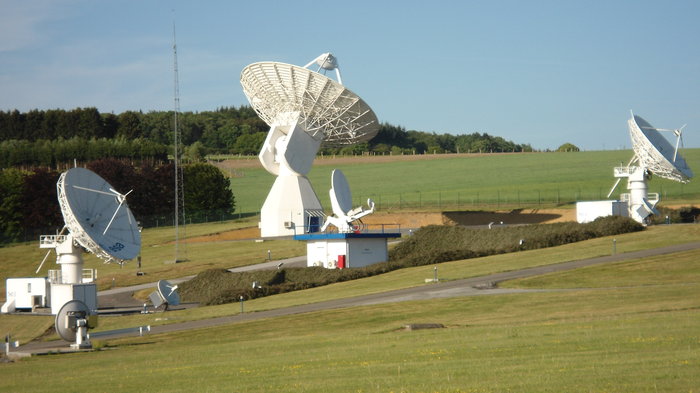
Galileos 7 and 8 were launched from Europe’s Spaceport in French Guiana on March 27. Their navigation payloads underwent a lengthy test campaign confirming their performance and integration into the worldwide Galileo ground network.

Read More >

By Inside GNSS

November 30, 2015

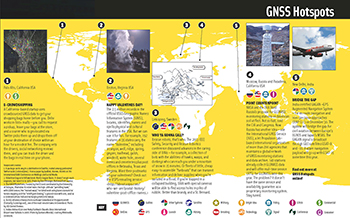
GNSS Hotspots | November 2015

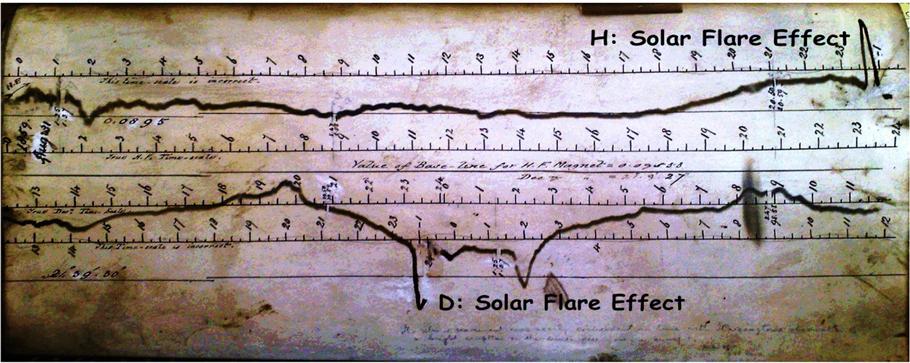
One of 12 magnetograms recorded at Greenwich Observatory during the Great Geomagnetic Storm of 1859
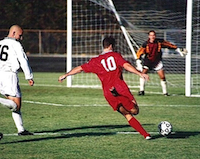
1996 soccer game in the Midwest, (Rick Dikeman image)
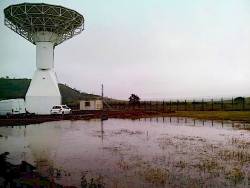
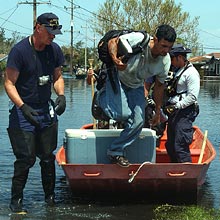
Nouméa ground station after the flood
A pencil and a coffee cup show the size of NASA’s teeny tiny PhoneSat
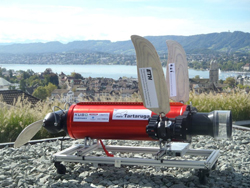
Bonus Hotspot: Naro Tartaruga AUV
Pacific lamprey spawning (photo by Jeremy Monroe, Fresh Waters Illustrated)
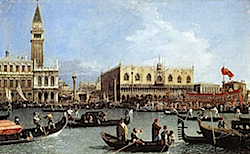
“Return of the Bucentaurn to the Molo on Ascension Day”, by (Giovanni Antonio Canal) Canaletto
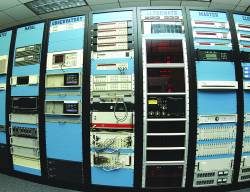
The U.S. Naval Observatory Alternate Master Clock at 2nd Space Operations Squadron, Schriever AFB in Colorado. This photo was taken in January, 2006 during the addition of a leap second. The USNO master clocks control GPS timing. They are accurate to within one second every 20 million years (Satellites are so picky! Humans, on the other hand, just want to know if we’re too late for lunch) USAF photo by A1C Jason Ridder.
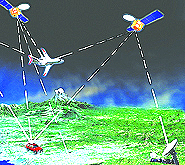
Detail of Compass/ BeiDou2 system diagram
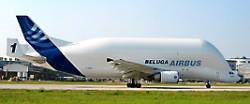
Hotspot 6: Beluga A300 600ST

1. DÉJÀ VU
Annapolis, Maryland and Kings Point, New York USA

Read More >

By Inside GNSS
[uam_ad id="183541"]

eCall

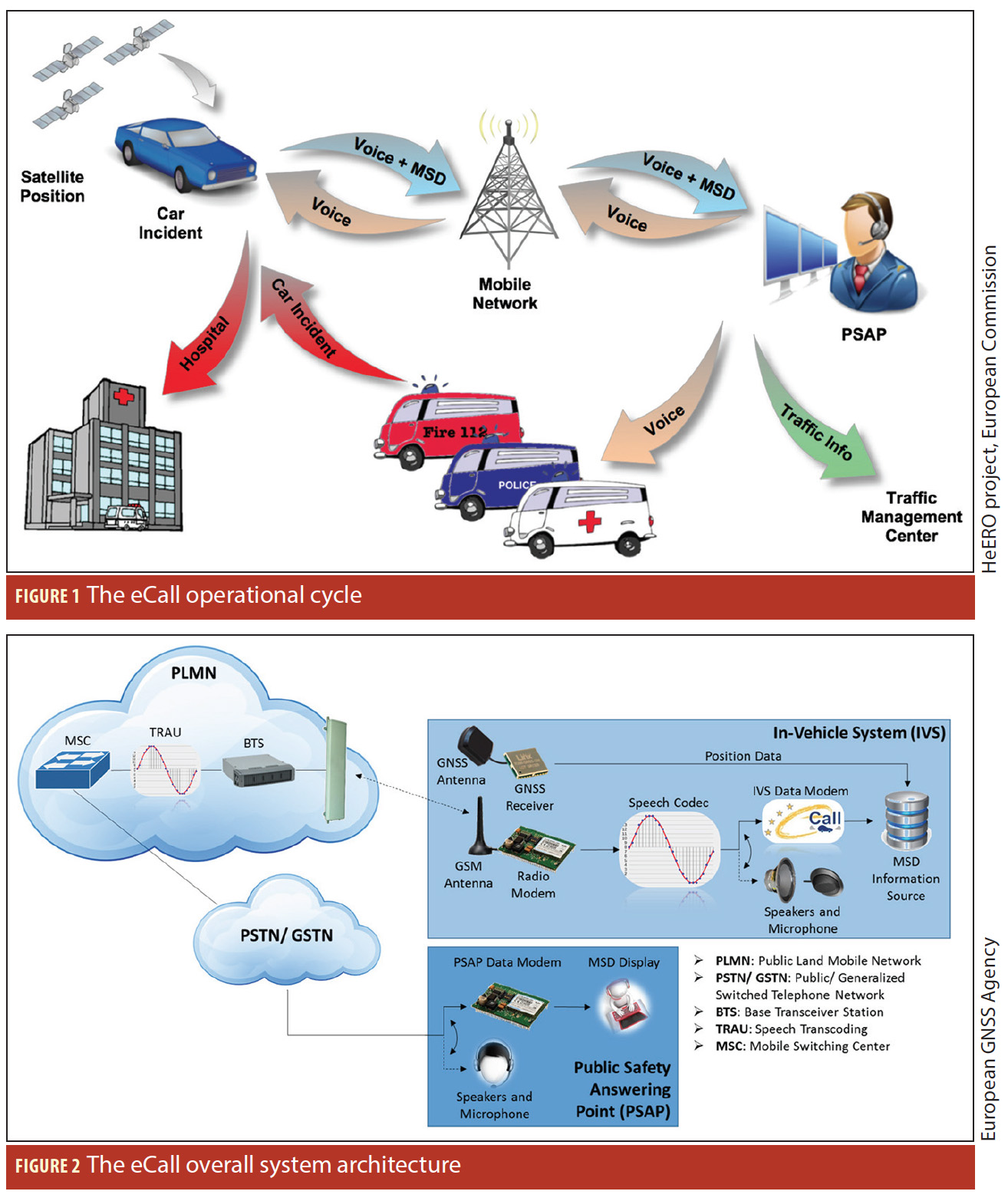
Figures 1 & 2

On April 28, 2015, the European Parliament voted in favor of an eCall regulation, which requires all new models of passenger cars and light vans that will be certified for the European market to be equipped with the automated emergency-call technology beginning in April 2018. The measure applies to all such vehicles regardless of selling price. In the future, a similar service may be implemented for trucks as well.

Read More >

By Inside GNSS
November 17, 2015

International Navigation Gathering Highlights GNSS Advances and Distractions

Sergey Revnivykh

Speakers at the recent International Association of Institutes of Navigation (IAIN) conference in Prague threw into stark relief some of the big GNSS programs and even bigger GNSS questions.
 
Prof.-Dr. Günter Hein, former head of the European Space Agency (ESA) EGNOS and GNSS Evolution Program Department and Emeritus of Excellence at University FAF Munich, delivered a fact-filled and level-headed presentation on the status of Galileo, the European Union’s civil-owned and non-military GNSS, with slides and information provided by ESA.
 

Read More >

By Inside GNSS
November 16, 2015

State of Play in the European Union

Global navigation satellite systems have become core elements of the global economy. Essential for many civilian applications and innovations, GNSS brings rapidly growing economic benefits due to convergence of GNSS with smartphones, geospatial data, unmanned aerial vehicles, automated driving systems and other commercial technologies.

Read More >

By Ingo Baumann
1 36 37 38 39 40 82
IGM_e-news_subscribe