A: System Categories

January 19, 2016

SBAS

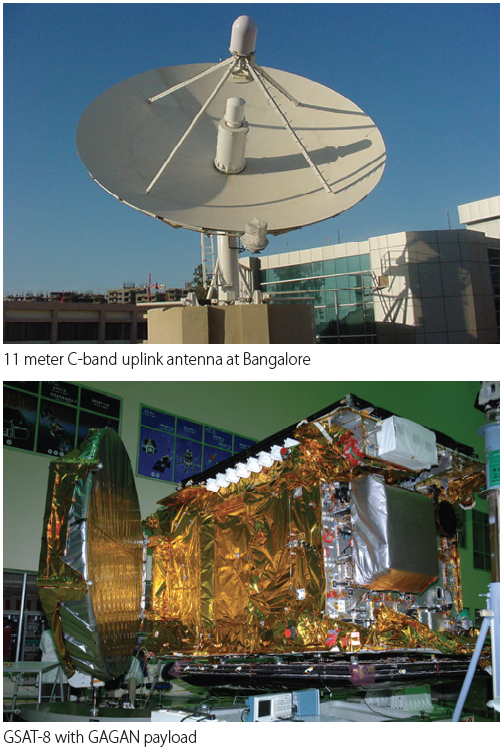
ISRO’s GSAT-15 satellite before launch, with GAGAN navigation payload

GAGAN — India’s SBAS
Redefining Navigation over the Indian Region
Recognizing the potential benefits of satellite-based augmentation systems, India took the early initiative to create its own SBAS called GAGAN — GPS Aided Geo Augmented Navigation.


Read More >

By Inside GNSS

Galileo Themes, Threads and Visions

Europe’s space community rang in the New Year with two of its brightest annual fixtures: the European Union (EU) Space Policy conference in Brussels and the European Space Agency (ESA) media briefing in Paris.

The events brought out all of the relevant voices and served to illustrate not only the disposition of materiel and troops but also their intent and even the level of morale. 

Read More >

By Peter Gutierrez
January 18, 2016

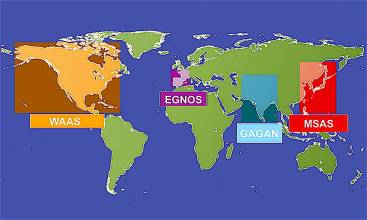
GNSS Satellite-Based Augmentation Systems

Working Papers explore the technical and scientific themes that underpin GNSS programs and applications. This regular column is coordinated by Prof. Dr.-Ing. Günter Hein, head of Europe’s Galileo Operations and Evolution.

With the support of the European Space Agency (ESA), a European team designed a frequency- and time-transfer process and validated its performance in a complex navigation test bed. This two-way time-transfer technology took advantage of the following:

Read More >

By Günter W. Hein
[uam_ad id="183541"]

What is Doppler collision and is it a problem in GNSS?

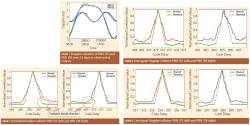
Figure 1, 3, 4 & 5

Q: What is Doppler collision and is it a problem in GNSS?

A: Doppler collision is a physical effect in code-division multiple access (CDMA) systems where code measurement errors are observed due to cross-correlation effects. Doppler collision may occur when the Doppler frequency between signals from two different transmitters is smaller than the code lock loop bandwidth.

Read More >

By Inside GNSS

GAGAN — India’s SBAS

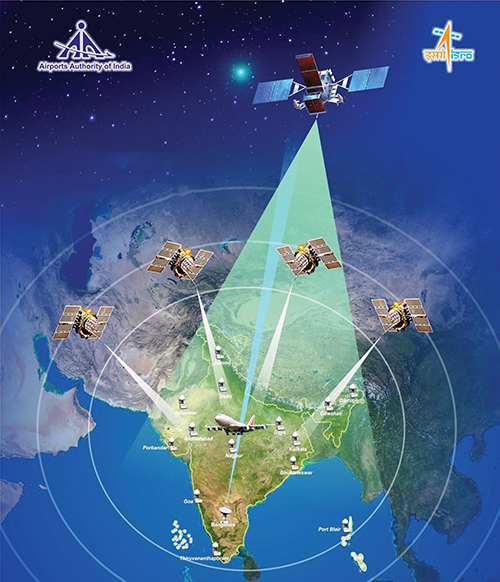
The GPS Aided Geo Augmented Navigation (GAGAN) system was developed by the Indian Space Research Organization (ISRO), together with Airports Authority of India (AAI), to deploy and certify an operational satellite-based augmentation system (SBAS). The system’s service area covers the Indian Flight Information Region (FIR), with the capability of expanding to neighboring FIRs. 

Read More >

By Inside GNSS

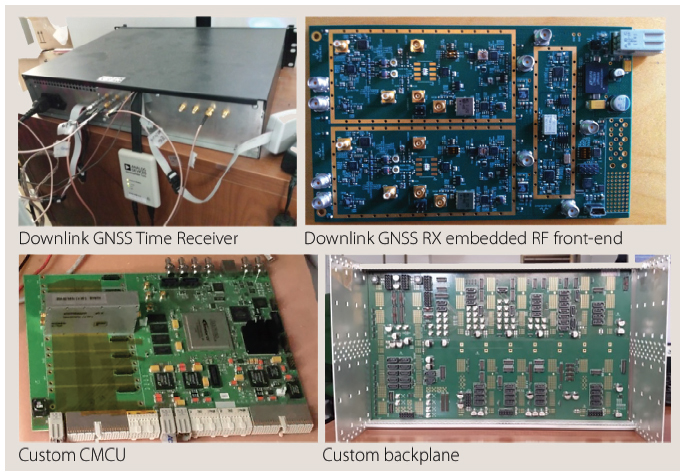
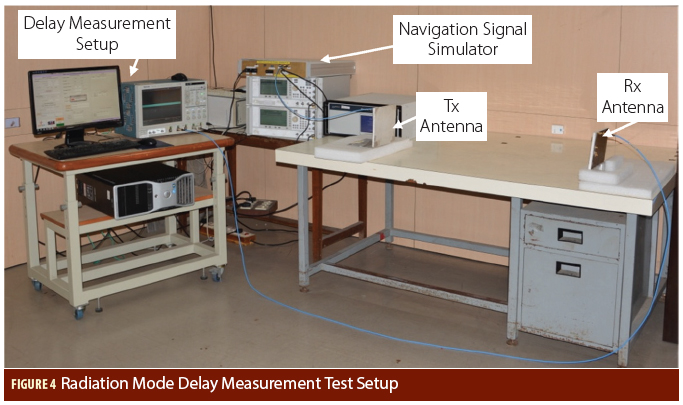
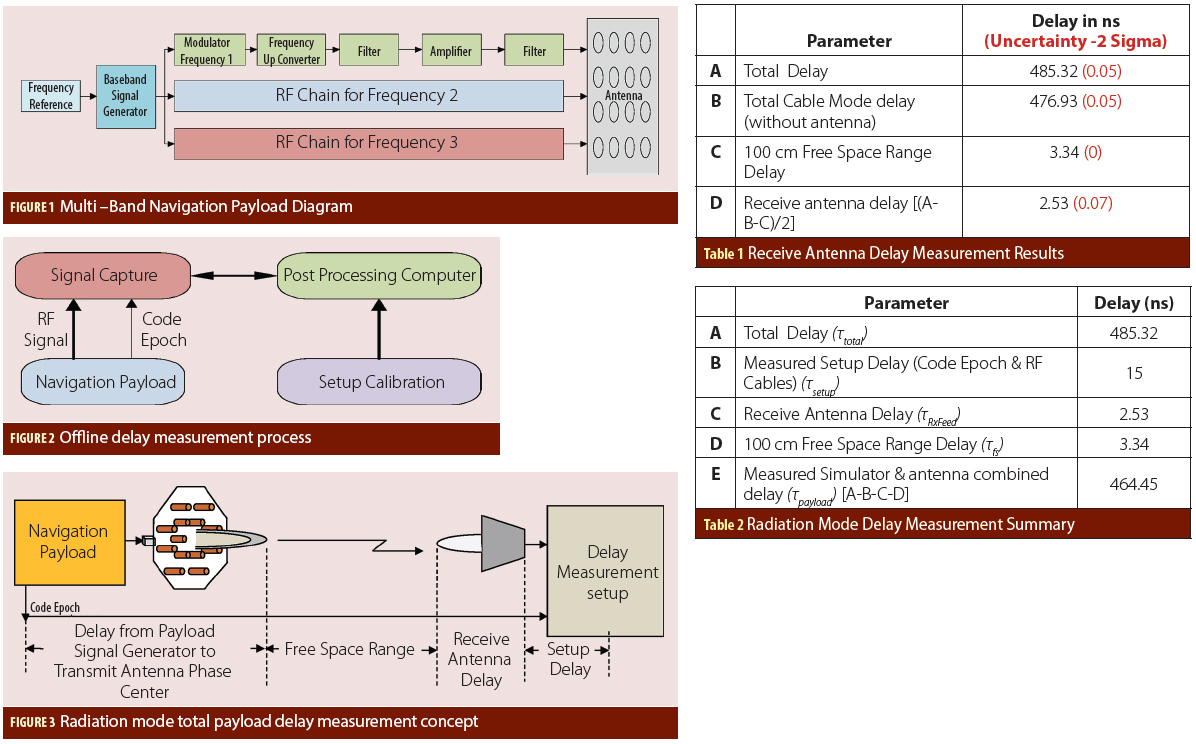
Measuring Navigation Payload Absolute Delay

Figures and Tables

In satellite navigation, the user receiver finds its position by measuring its distance to satellites and knowledge of the satellite position. The distance is measured by ranging, i.e., finding the delay of the signal from the transmitter to the receiver. The delay will comprise of payload hardware delay and the geometric range delay. Hence, the payload delay of the signal from generation to radiation is very important and needs to be transmitted in navigation data. 

Read More >

By Inside GNSS
[uam_ad id="183541"]
January 14, 2016

GPS-Aided Positive Train Control Goes Back on Transportation Safety Board’s Most Wanted List for 2016

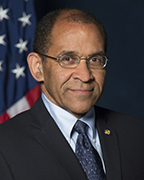
NTSB Chairman Christopher Hart

Once again, the National Transportation Safety Board (NTSB) has recommended GPS-aided positive train control (PTC) as one of its “most wanted” transportation safety improvements in 2016. But the agency, which has been advocating for PTC for more than 45 years, appears to be fighting an uphill battle against Congress and the railroad industry.

Read More >

By Inside GNSS

ICG-11: International Committee on GNSS

Russia will host the eleventh meeting of the International Committee on GNSS (ICG) from November 6 to 11, 2016 in Sochi, on the Black Sea near Georgia. This meeting is organized by Roscosmos, the State Space Corporation. It will take place at the Pullman Sochi Center Hotel and Conference Center.

The ICG is a voluntary United Nations–backed association that brings together GNSS and augmentation providers, including the United States, Russia, European Union, China, India, and Japan.

Read More >

By Inside GNSS

CSNC 2016: China Satellite Navigation Conference

Preparing for a May 2016 event at the Hunan International Conference and Exhibition Center, Changsha.

The 7th China Satellite Navigation Conference and exhibition will take place at the Hunan International Conference & Exhibition Center in Changsha (長沙), the 3,000 year old capital city of Hunan Province on May 18, 19 and 20, 2016.

Several thousand scientists, GNSS businesses and researchers from all over the world are expected to attend this high-level annual event. The conference language will be Mandarin, with simultaneous English translation.

Topics include:

Read More >

By Inside GNSS

2016 Geospatial World Forum

The Geospatial World Forum 2016 and industry exhibition will be held at the Beurs-World Trade Center in Rotterdam in Rotterdam, The Netherlands on May 23 – 26, 2015.

This year’s theme is "Where’s the Money? Disruptive Business Models." The annual event features plenary and technical sessions and workshops on policy, technology and user practices of the GIS  industry. Plenary themes this year are:

Read More >

By Inside GNSS
IGM_e-news_subscribe