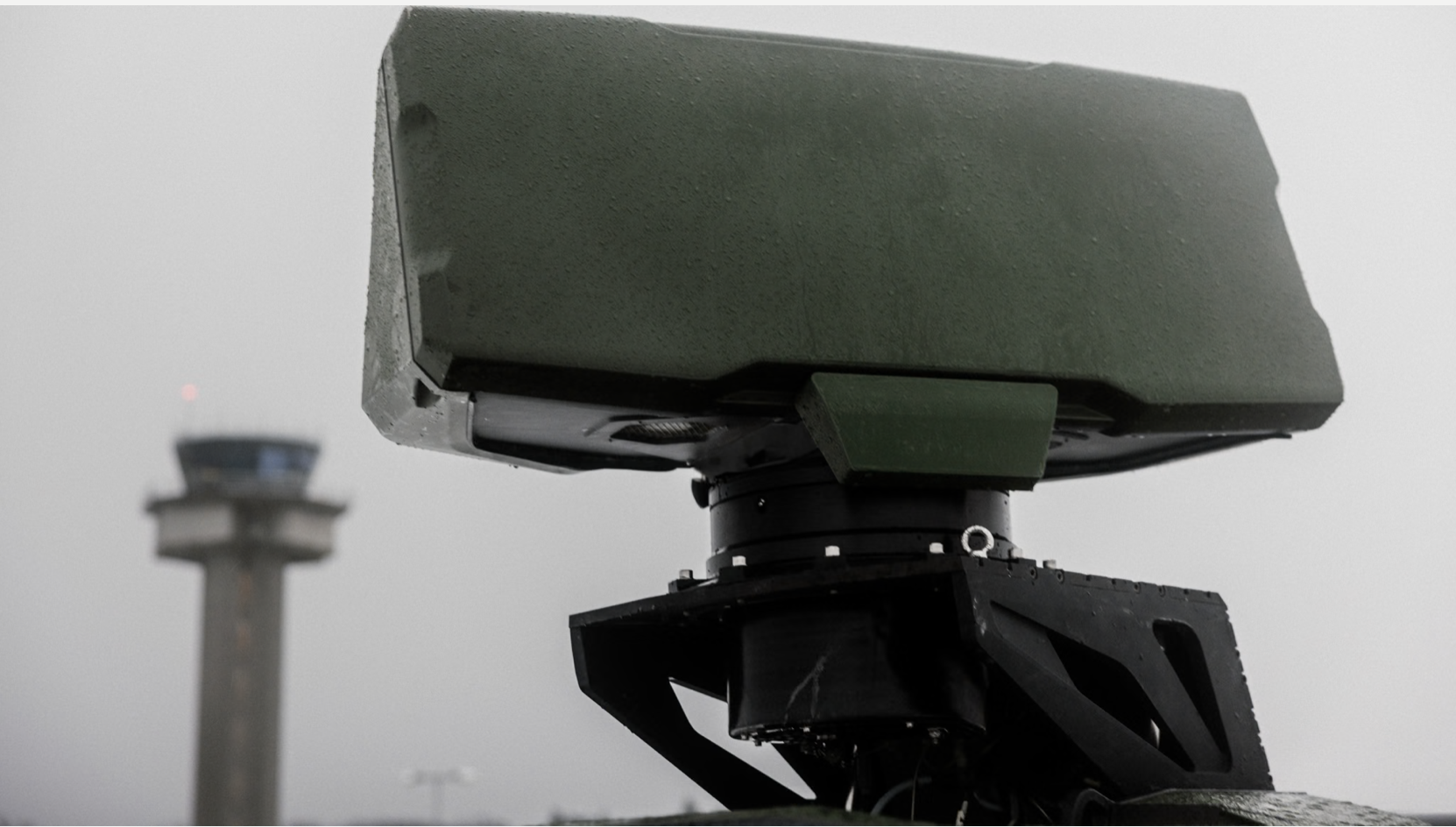
Saab UK, quantum timing startup Aquark Technologies and the Royal Navy’s Disruptive Capabilities and Technologies Office (DCTO) have demonstrated that a distributed Giraffe 1X radar network can maintain a coherent air picture using quantum timing sources instead of GNSS.
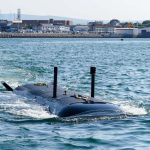
The trial, conducted in June 2026 across multiple UK sites with support from QinetiQ, the Defence Science and Technology Laboratory (DSTL) and the Royal Navy experimentation vessel XV Patrick Blackett, paired Saab’s Giraffe 1X radar with Aquark’s AQlock cold-atom quantum clock. Multiple radars operating at separate locations tracked live targets while relying solely on independent AQlock timing references rather than GPS.
Distributed radar networks depend on timing precision to within billionths of a second to fuse tracking data from separated sensors into a single accurate picture; an error in timing translates directly into an error in target position. GNSS normally supplies that reference, but its signals are vulnerable to jamming and spoofing in contested environments.
To test resilience, the team introduced controlled timing errors simulating GNSS spoofing and denial. According to Saab, the radars continued generating a single air picture throughout, showing predictable performance degradation during the disruption and rapid recovery once synchronization was restored. DSTL functioned as network rebroadcast nodes to distribute the AQlock timing signals across the radar sites.
Saab said it believes the trial to be the first demonstration of a distributed high-performance military radar network maintaining a coherent operational picture using independent quantum timing sources.
“This trial is a great example of how collaboration can accelerate innovation. By combining quantum timing technology with Saab’s advanced Giraffe 1X radar system, we have demonstrated a practical capability that could help customers continue to operate effectively when it matters most,” said Andy Fraser, Group Managing Director at Saab UK.
The trial marks the third collaboration between Aquark and the Royal Navy’s DCTO, following an earlier sea trial in which the AQlock ran continuously aboard HMS Pursuer in the Solent for three days. Aquark’s work under the Royal Navy’s Quantum Optimised Radar project began in December 2025.