Galileo

September 6, 2016

Clarion to Use Furuno’s GPS Receiver with DR/GNSS Module in Navigation System

Furuno GV-86

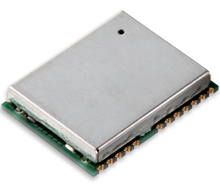
Furuno’s GV-86 GPS receiver chip with its dead-reckoning DR/GNSS module will be integrated into Clarion’s NXR16 car navigation systems for the auto-leasing and car rental industries.

The GV-86 features a dead-reckoning-enabled GNSS receiver, which receives concurrent GPS, SBAS, and QZSS satellite signals. The dead-reckoning capability allows the unit to provide positioning while receiving multiple GNSS signals in such harsh environments as tunnels, urban canyons and underground parking, the company said.

Read More >

By Inside GNSS
September 1, 2016

The Particular Importance of Galileo E6C

Equations

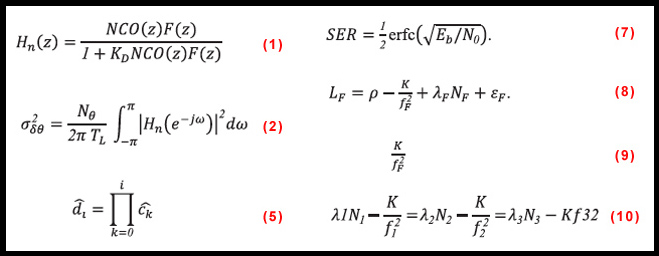
The Galileo E6 signal is centered at 1278.75 MHz, and comprises three signals: an authorized signal (E6A, the publicly regulated service, PRS plus two civilian signals), a data component (E6B), and a pilot component (E6C). Both E6B and C are modulated using binary-phase shift keying (BPSK) code division multiple access (CDMA) memory codes, having lengths of 5,115 chips and chipping rates of 5.115 Mcps.

Read More >

By Inside GNSS
[uam_ad id="183541"]
July 6, 2016

Interference Mitigation in the E5a Galileo Band Using an Open-Source Simulator

Four global navigation satellite systems are scheduled to be fully operational orbiting Earth in the coming years: the NAVSTAR Global Positioning System (GPS) from the United States, the GLObal NAvigation Satellite System (GLONASS) from Russia, the Compass/BeiDou-2 System (BDS) from China, and Galileo from Europe. A considerably high number of signals, coming from the satellites of those constellations, will share the radio electric spectrum.

Read More >

By Inside GNSS
June 30, 2016

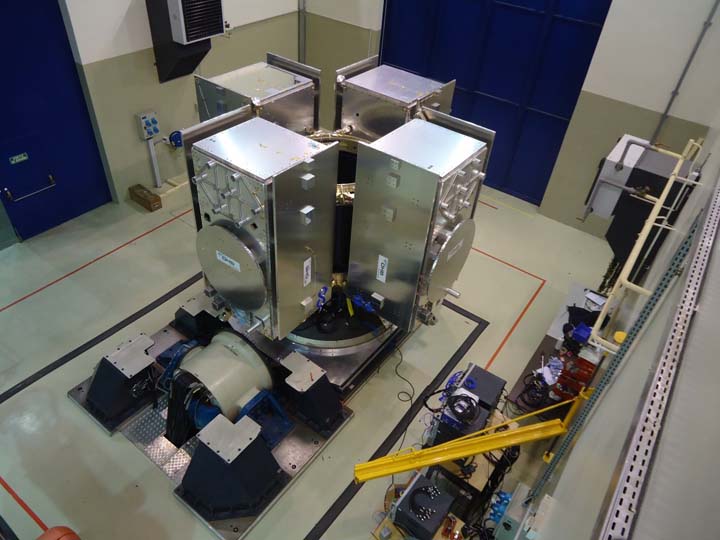
Four-Satellite Launch Dispenser Ready for Europe’s Galileo Ride on Ariane 5

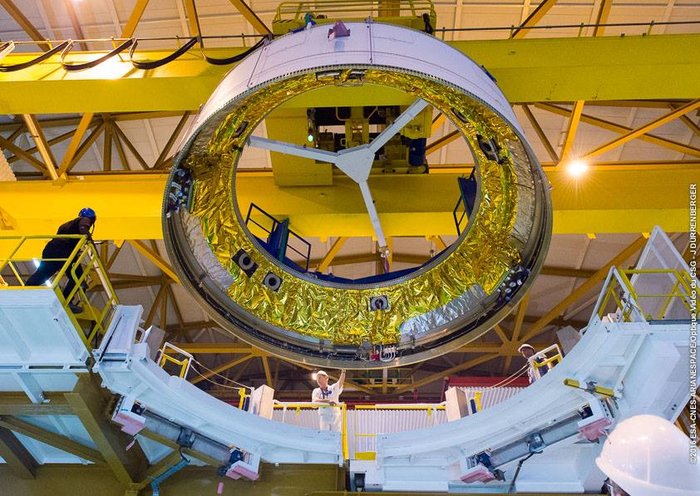
A new dispenser for a modified Ariane 5 rocket, capable of carrier four satellites into middle Earth orbit, has passed an extended test campaign and approved for launch, removing a final hurdle for accelerating development of the Galileo constellation.

In development since 2012, the new launcher design evolved from the Ariane 5 ES (Evolution Storable) that is used to carry European Space Agency (ESA) automatic transfer vehicle (ATV) supply spacecraft into low Earth orbit.

Read More >

By Inside GNSS
[uam_ad id="183541"]
June 10, 2016

Here to Stay – Europe Committed to Long Haul in Space with Galileo

Lowri Evans, DG GROWTH. Photo by Peter Gutierrez

As ranking European Union (EU) official, Commissioner for Internal Market, Industry, Entrepreneurship and SMEs, Elzbieta Bienkowska set the tone in a keynote speech that anticipated some major issues to be addressed in the upcoming “EU Space Strategy,” the EUropean Commission’s next big new European space policy document, expected to come out later this year.

Read More >

By Inside GNSS
June 3, 2016

GSA Setting Up Galileo Reference Center Next Door to ESTEC

Officials signed an agreement this week to build a Galileo Reference Center in Noordwijk, the Netherlands, just across the road from The European Space Agency’s European Space Research and Technology Center (ESA/ESTEC).

The Galileo Reference Center (GRC), to be administered by the European GNSS Agency (GSA), will monitor and assess the quality of the delivery of Galileo services, i.e., the performance of the Galileo Service Operator. The GSA is currently selecting said service operator through an arduous tender process.

Read More >

By Inside GNSS

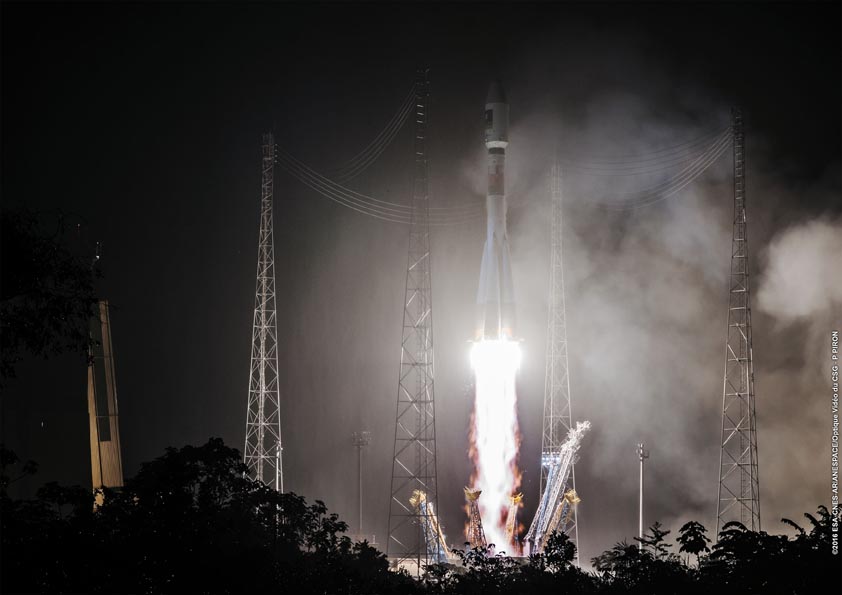
Successful Launch Continues Build-Out of Galileo Constellation

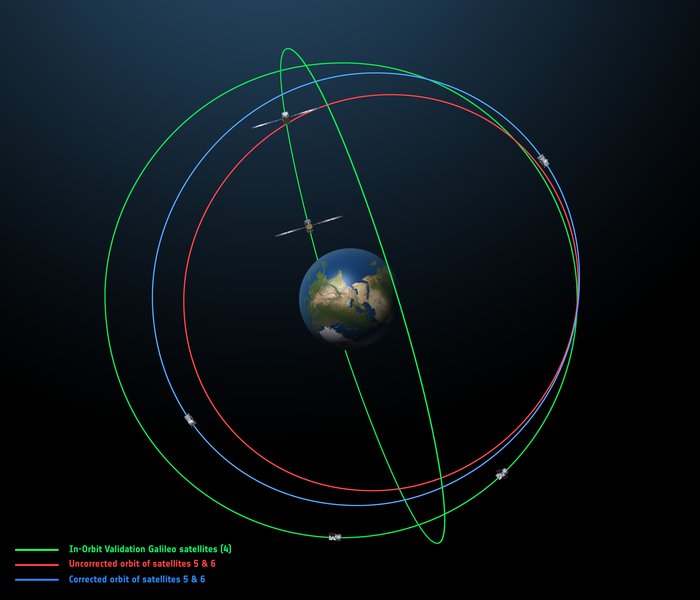
The European GNSS program added two more spacecraft to its constellation this morning (May 24, 2016) with the launch of Galileo satellites 13 and 14. They lifted off together at 08:48 GMT (10:48 CEST, 05:48 local time) atop a Soyuz rocket from French Guiana.

This seventh Galileo launch went by the book: the first three Soyuz stages placed the satellites safely into low orbit, after which their Fregat upper stage hauled them the rest of the way into their target medium-altitude orbit in plane A, slots 2 and 6.

Read More >

By Inside GNSS

1 33 34 35 36 37 82
IGM_e-news_subscribe