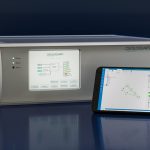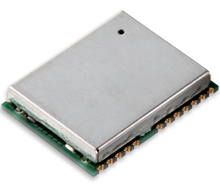
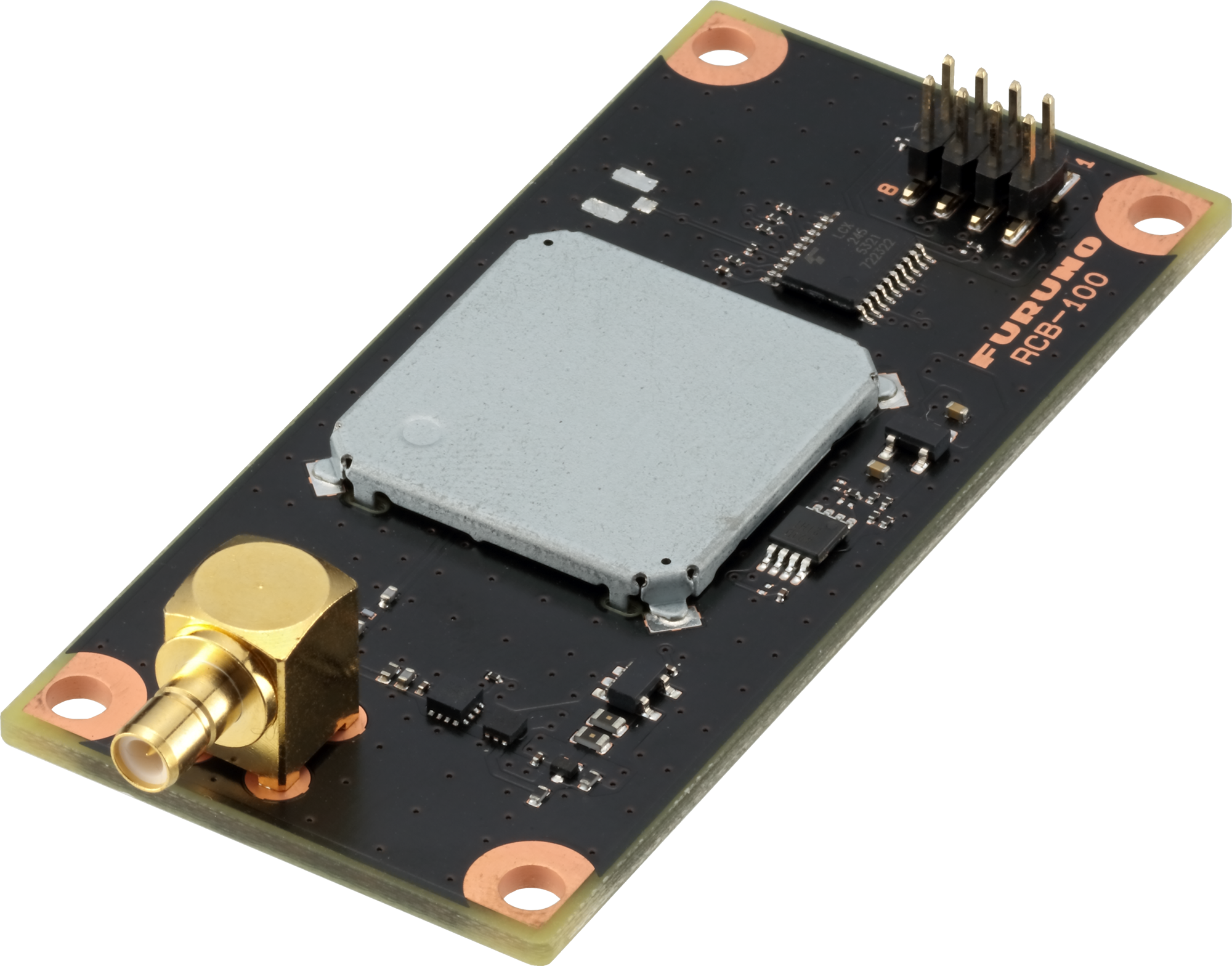
The carrier-grade timing receiver drops into a standard RCB form factor, letting equipment makers add nanosecond-level, jam- and spoof-resistant synchronization without custom RF circuit design.
Furuno Electric announced July 28 that it plans to release the RCB-100 GNSS timing receiver in November 2026, packaging carrier-grade time synchronization performance into a standard RCB form factor designed for simpler integration into low-volume equipment.
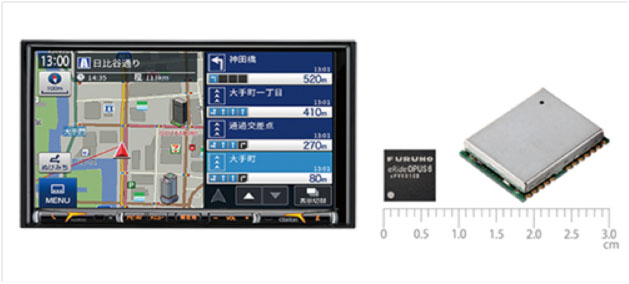
The receiver draws on technology developed for Furuno’s GT-100 GNSS module, which the company describes as having built an extensive track record of adoption in the base station and telecommunications infrastructure markets. The GT-100 supports dual-frequency reception on the L1 and L5 bands and achieves timing stability under 4.5 nanoseconds, using an anti-multipath algorithm developed with NTT called Dynamic Satellite Selection to minimize timing degradation in urban environments where GNSS antennas may be placed near windows or amid signal reflections. The module supports GPS, GLONASS, Galileo, BeiDou, QZSS and SBAS constellations and can automatically mitigate jamming while notifying users in real time of the interfering signal’s frequency and strength.
Carrier-Grade Performance Without Custom RF Design
The RCB-100 delivers that same nanosecond-level accuracy and interference resilience in a format that eliminates the need for dedicated RF circuit design or PCB-level module mounting. Instead of soldering and reflow assembly, the unit installs with screws and a mating connector, and uses a standard SMB antenna connector to minimize RF line design work.
Furuno said the design addresses a persistent barrier for equipment manufacturers: the higher the required GNSS performance, the greater the engineering overhead required for integration, a challenge particularly acute for low-volume products where a custom design is not cost-effective. Target applications for the RCB-100 include telecommunications base stations, time servers, data center systems, financial trading systems, power grid infrastructure and broadcasting equipment, sectors where precise time synchronization underpins critical operations. The company said it will extend the trust established through GT-100 to a wider range of equipment and applications for critical infrastructure through a broader product lineup designed to accommodate customers’ implementation environments.