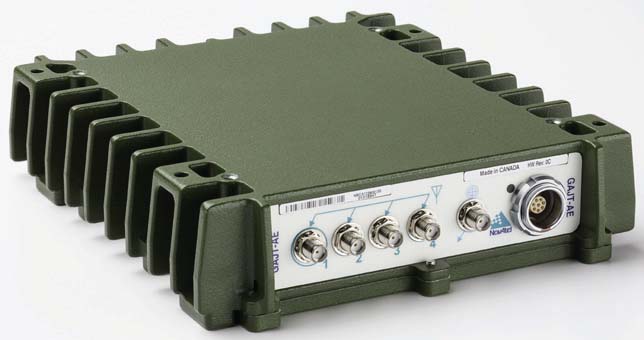
NovAtel’s GPS Anti-Jam GAJT On Board Schiebel’s UAV
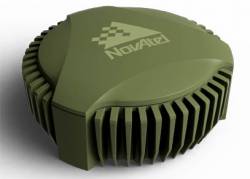
NovAtel GAJT-AE-N antijam electronicsNovAtel’s compact GAJT anti-jam antenna is now on-board the CAMCOPTER S-100 Unmanned Air System (UAS) from Austrian manufacturer Schiebel.
By Inside GNSS
NovAtel GAJT-AE-N antijam electronicsNovAtel’s compact GAJT anti-jam antenna is now on-board the CAMCOPTER S-100 Unmanned Air System (UAS) from Austrian manufacturer Schiebel.
By Inside GNSS
Senate lawmakers made clear their ire with the GPS program, recommending funding cuts for nearly every element and slashing development monies for the troubled new ground control system before taking off for the Memorial Day holiday.
By Inside GNSS
For the last 16 months the Federal Communications Commission (FCC) has been sitting on a request from the Europe Union to waive licensing requirements that are thwarting full use of Galileo signals in the United States.
By Inside GNSS

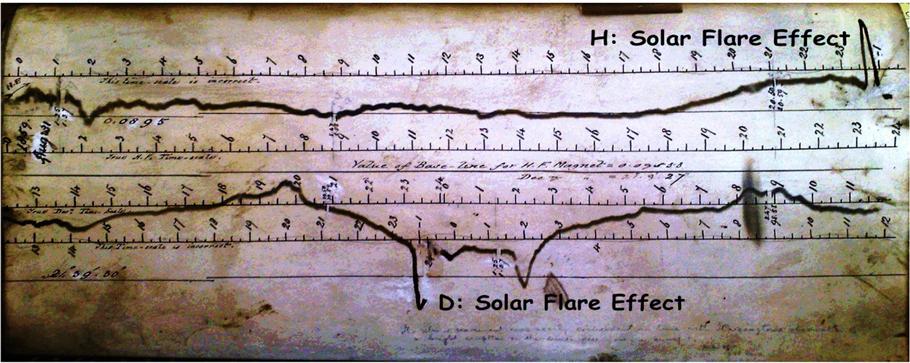
One of 12 magnetograms recorded at Greenwich Observatory during the Great Geomagnetic Storm of 1859
1996 soccer game in the Midwest, (Rick Dikeman image)
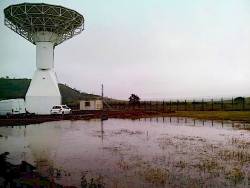
Nouméa ground station after the flood
A pencil and a coffee cup show the size of NASA’s teeny tiny PhoneSat
Bonus Hotspot: Naro Tartaruga AUV
Pacific lamprey spawning (photo by Jeremy Monroe, Fresh Waters Illustrated)
“Return of the Bucentaurn to the Molo on Ascension Day”, by (Giovanni Antonio Canal) Canaletto
The U.S. Naval Observatory Alternate Master Clock at 2nd Space Operations Squadron, Schriever AFB in Colorado. This photo was taken in January, 2006 during the addition of a leap second. The USNO master clocks control GPS timing. They are accurate to within one second every 20 million years (Satellites are so picky! Humans, on the other hand, just want to know if we’re too late for lunch) USAF photo by A1C Jason Ridder.
Detail of Compass/ BeiDou2 system diagram
Hotspot 6: Beluga A300 600ST

Electronic Throwaways, Space X Wins, Drones at Sea and Shaking It Up
By Inside GNSS
NovAtel Inc. has submitted comments to the Federal Communications Commission (FCC) regarding Ligado Networks LLC’s (formerly New LightSquared LLC) License Modification Applications in which the company raises deep concerns about the testing methodology used and conclusions presented by Ligado regarding the impact of their proposed usage of L-band frequencies for a terrestrial wireless network.
By Inside GNSSSo, if everything had gone as planned, we would have a new ground control segment (OCX) operating a new generation of satellites (GPS III) as they launch into an expanded constellation in support of modernized military GPS user equipment (MGUE).
But then the best-laid plans. . . .
By Inside GNSSAdvanced military receivers using the sort of modern multi-channel, multi-constellation capabilities already available commercially, could enable the Air Force to focus its anti-jam efforts on the ground, simplifying future GPS satellites and lowering their cost. Moreover, experts told Inside GNSS, the cutting-edge receivers could be deployed years before the anti-jam capability planned for the new GPS III satellites would be fully available.
By Dee Ann Divis
GNSS signals are vulnerable to interference due to being extremely weak when received on Earth’s surface. Therefore, even a low-power interference signal can easily disrupt the operation of commercial GNSS receivers within a range of several kilometers.
By Inside GNSS
The 56th meeting of the Civil GPS Service Interface Committee (CGSIC) will convene at the Portland Convention Center in Portland, Oregon in conjunction with the Institute of Navigation’s GNSS+ conference. The annual meeting is always free and open to the public.
The Senate Armed Services Committee zeroed out the Pentagon’s $393 funding request for the new GPS ground control system during its May 11 markup, asserting that the program’s cost overruns — with a total cost that may reach $5.3 billion, up from an original $1.5 billion — had breached the Nunn-McCurdy Act.
Under the act, such a breach could result in termination of the Next Generation Operational Control System or OCX unless the Secretary of Defense goes through an in-depth review of the program and personally certifies its critical importance.
By Inside GNSSThe seeming efficiency of having unmanned aircraft carry the same GNSS-based collision avoidance transmitters required for manned aircraft has generated a lot of interest as a possibly safe way to easily integrate unmanned aerial vehicles (UAVs) into the nation’s air traffic control system.
By Inside GNSS

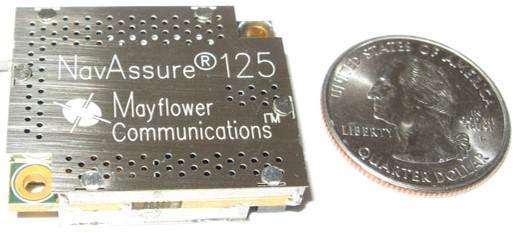
Mayflower NavAssure 125Mayflower Communications Company, Inc., has been awarded a Phase III SGUE (small GPS user equipment) contract with the United States Air Force Research Laboratory (AFRL), sponsored by the Space and Missile Systems Center/GPS Directorate (SMC/GPSD), to develop a small SWaP (size, weight, and power) security certifiable Common GPS Module (CGM) for the Air Force’s Modernized GPS User Equipment (MGUE) Program.
By Inside GNSS

Gaylord National Resort and Convention CenterThe National Space-based Positioning, Navigation, and Timing (PNT) Advisory Board is comprised of experts from outside government that are tasked with developing recommendations for the PNT EXCOM to consider in making GPS services more effective and accessible to users in all domains and sectors. Attendance is open to the public.
By Inside GNSS