Global Navigation Satellite Systems Engineering, Policy, and Design
Global Navigation Satellite Systems Engineering, Policy, and Design
The incorporation of GNSS and inertial technologies is helping drive an explosion of systems development and applications of unmanned systems. On Tuesday, September…
By Inside GNSS

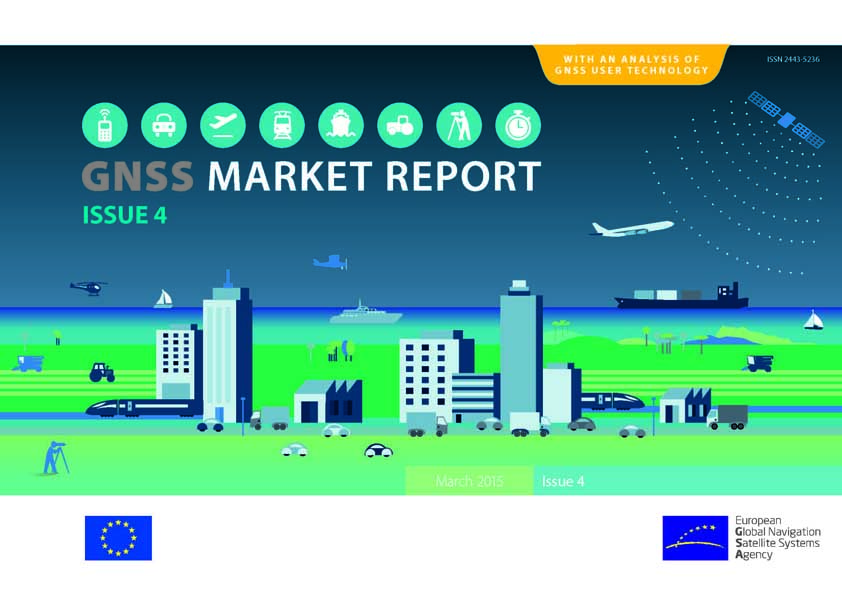
The European GNSS Agency (GSA) unveiled its latest GNSS Market Report today (March 25, 2015) at the Munich Satellite Navigation Summit in Germany….
By Inside GNSS
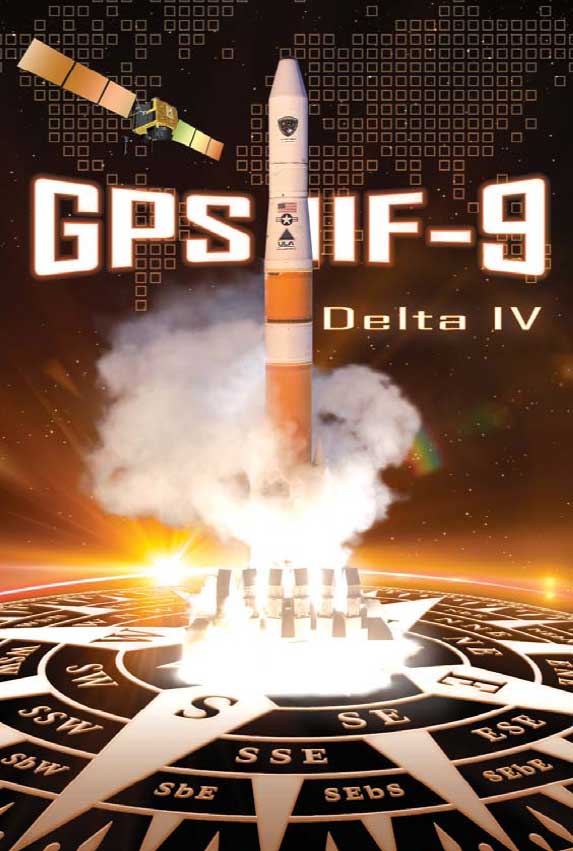
The United Launch Alliance successfully launched another U.S. Air Force GPS Block IIF satellite at 2:36 p.m. EDT today (March 25, 2015) from…
By Inside GNSS
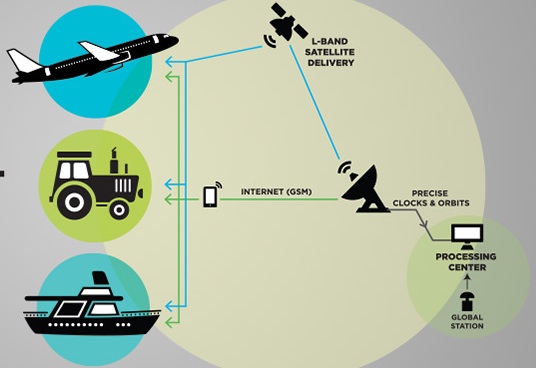
NovAtel graphic NovAtel Inc. has announced significant performance improvements to its PPP positioning solution.
By Inside GNSS
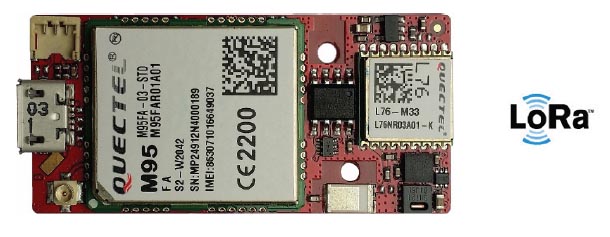
TraceME with LoRa module KCS BV, based in Dordrecht, Netherlands, has extended its TraceME product line with an advanced module, targeted for worldwide…
By Inside GNSS
Thalwil, Switzerland–based u-blox reported revenue and profit growth in its most recent annual report, driven by strong sales in its GNSS and wireless…
By Inside GNSS

United Launch Alliance graphic Four GNSS satellites will be launched during the coming week: a GPS Block IIF, two full operational capability (FOC)…
By Inside GNSS
Return to main article: "Estimating Ionospheric Delay Using GPS/Galileo Signals in the E5 Band"
By Inside GNSS
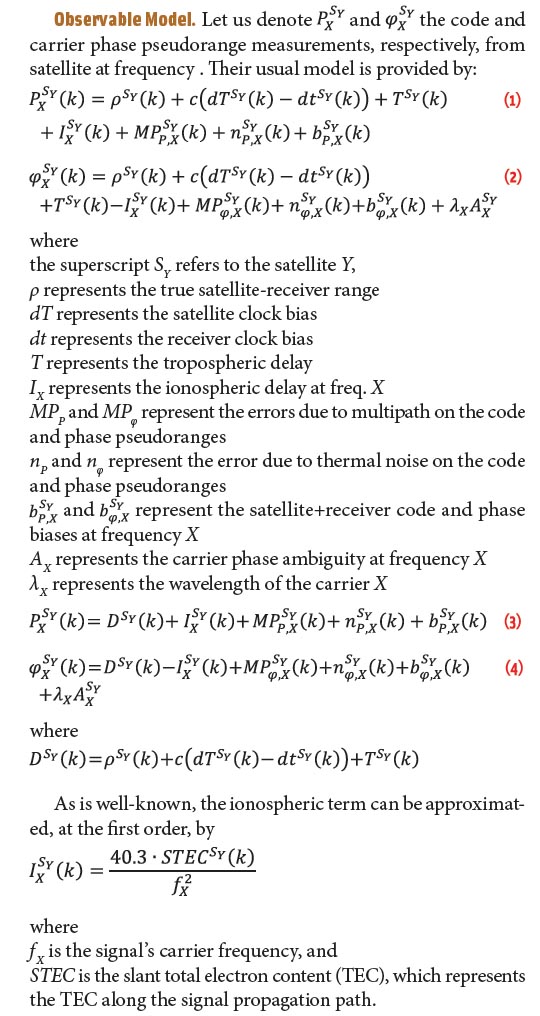
Return to main article: "Estimating Ionospheric Delay Using GPS/Galileo Signals in the E5 Band"
By Inside GNSS
Return to main article: "Estimating Ionospheric Delay Using GPS/Galileo Signals in the E5 Band"
By Inside GNSS
Return to main article: "Estimating Ionospheric Delay Using GPS/Galileo Signals in the E5 Band"
By Inside GNSS
Return to main article: "Estimating Ionospheric Delay Using GPS/Galileo Signals in the E5 Band"
By Inside GNSS
Return to main article: "Estimating Ionospheric Delay Using GPS/Galileo Signals in the E5 Band"
By Inside GNSS
Return to main article: "Estimating Ionospheric Delay Using GPS/Galileo Signals in the E5 Band"
By Inside GNSS
Return to main article: "Estimating Ionospheric Delay Using GPS/Galileo Signals in the E5 Band"
By Inside GNSS