Launch provider swap underscores schedule priority for GPS III capability delivery as ULA investigates booster anomaly.
The U.S. Space Force has reassigned the launch of the final GPS III satellite to SpaceX, citing the need to maintain delivery timelines for critical positioning, navigation and timing (PNT) capability while United Launch Alliance (ULA) investigates issues with its Vulcan rocket.
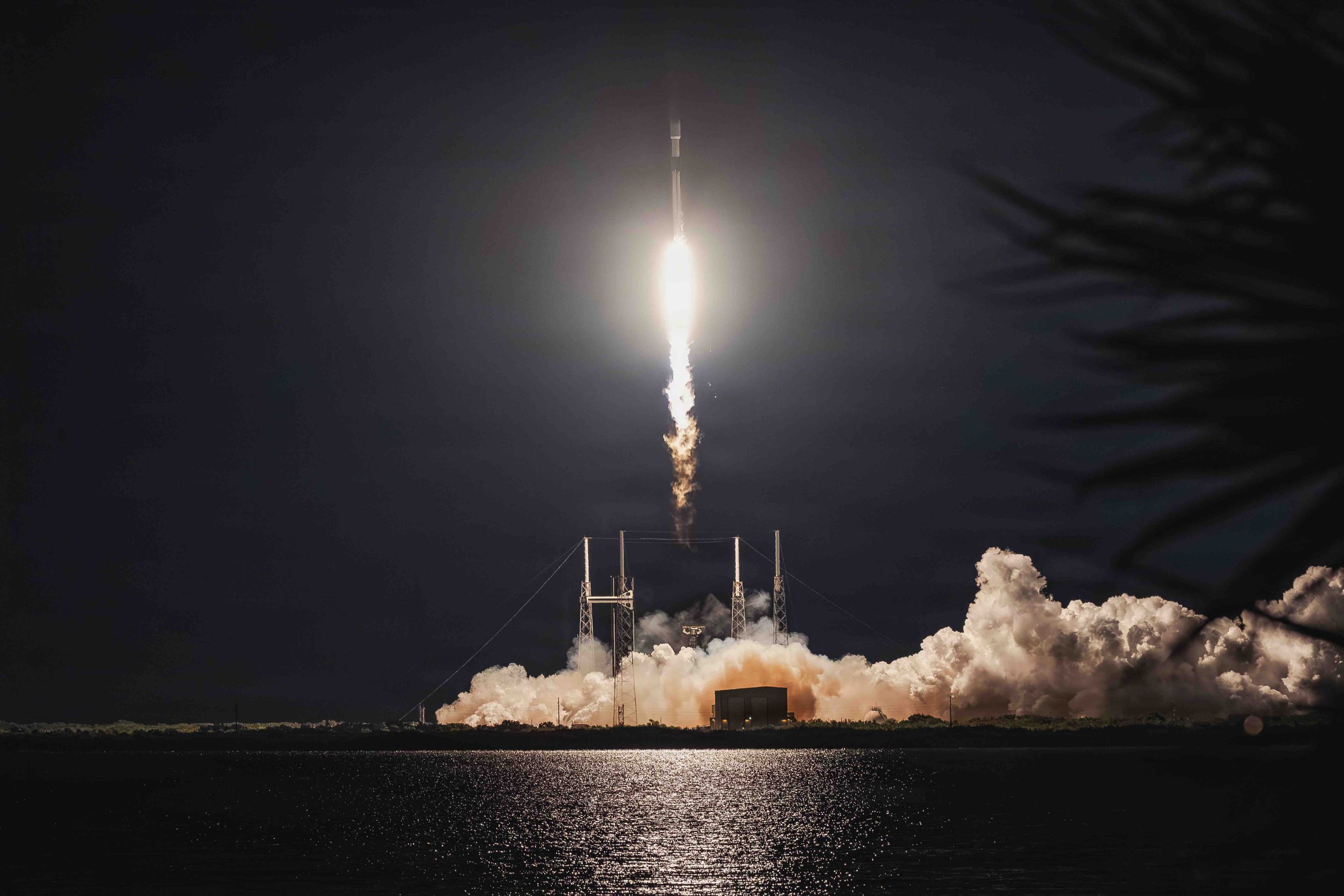
According to a statement from Space Systems Command, the GPS III-8 mission—carrying Space Vehicle 10 (SV-10), the final satellite in the GPS Block III series—will now launch aboard a SpaceX Falcon 9 no earlier than late April 2026.
The mission had previously been manifested on ULA’s Vulcan Centaur.
Timeline pressure drives launch reassignment
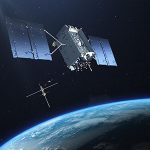
The decision reflects a continued emphasis by the Space Force on assured and timely delivery of modernized GPS capability, particularly as the Block III series approaches completion. GPS III satellites introduce improved accuracy, anti-jam performance through M-code, and enhanced signal integrity for both military and civil users.
Officials framed the move as part of a broader “launch provider exchange” strategy within the National Security Space Launch (NSSL) program, leveraging the fact that GPS III spacecraft are certified to fly on multiple vehicles.
This flexibility has been exercised repeatedly over the past two years. Earlier GPS III missions—including SV-09, launched in January 2026—were also shifted from Vulcan to Falcon 9 to maintain schedule continuity.
Vulcan anomaly under review, not a program reset
The reassignment follows ongoing investigation into anomalies involving Vulcan’s solid rocket boosters, observed during recent flights. While those missions achieved orbit and met primary objectives, the Space Force elected to pause Vulcan’s use for national security launches pending further analysis.
Importantly, the move does not signal a broader departure from ULA within the NSSL architecture. As part of the exchange, Vulcan is now slated to support the USSF-70 mission, currently projected for 2028.
ULA remains a core provider in the dual-lane launch strategy, with dozens of missions still assigned over the coming years.
Closing out the GPS III baseline
The SV-10 launch will complete the initial GPS III tranche, a 10-satellite modernization effort led by Lockheed Martin.
With nine spacecraft already on orbit—including the most recent SV-09 launched earlier this year—the final mission represents a transition point toward the next-generation GPS IIIF series, which is expected to introduce further enhancements in regional military protection and search-and-rescue payloads.
For the Space Force, the immediate priority remains clear: maintaining continuity of PNT services and accelerating deployment timelines where possible.
That approach has increasingly relied on responsive launch practices and provider interchangeability—an operational model demonstrated across multiple recent GPS III missions and now extended to the program’s final satellite.