The Digital TV Case
Working Papers explore the technical and scientific themes that underpin GNSS programs and applications. This regular column is coordinated by Prof. Dr.-Ing. Günter Hein, head of Europe’s Galileo Operations and Evolution.
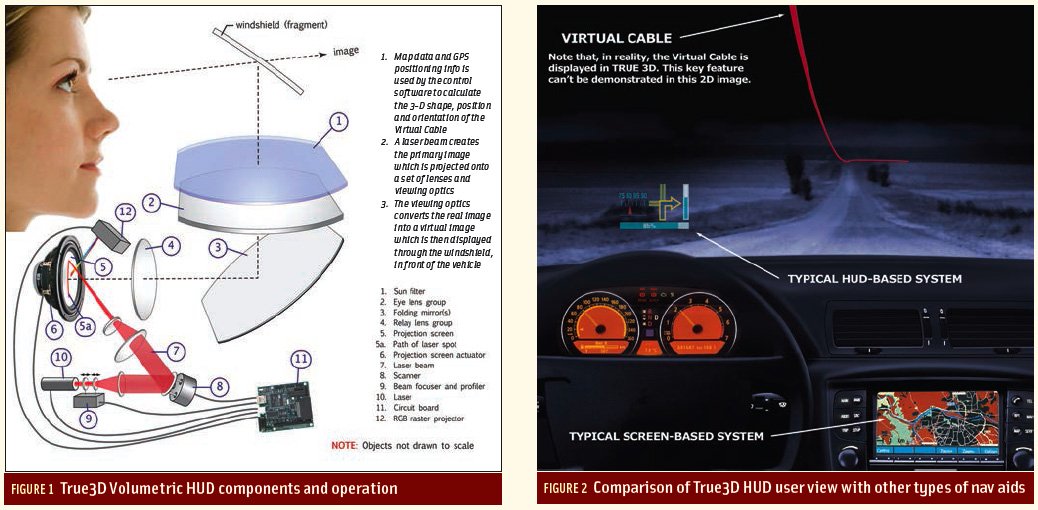
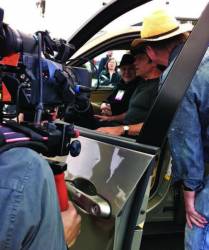
Mike Rowe, host of the Discovery Channel series Dirty Jobs, gets behind the wheel with MVSC’s HUD system at the Makers Faire in San Mateo, California. MVSC CEO Chris Grabowski sits in the passenger seat; CTO Tom Zamojdo is in straw hat. Photo by Valerie Hall.A San Francisco Bay Area company — Making Virtual Solid–California (MVSC), which snared a trio of awards in a global GNSS competition for its novel approach to driver assistance, is still in early phases of development.
The origins of the company, however, go back more than 40 years to the Cold War era when its principals, Chris Grabowski and Tom Zamojdo, were studying physics and theoretical mathematics at the University of Warsaw, Poland.
But more about that later — first, the news.
By Inside GNSS
A Residenz courtyard, MunichThe 2012 Munich Satellite Navigation Summit will take place at the Residenz Munchen in Germany from March 13 to 15. This year’s opening plenary theme is "GNSS and Security."
This year marks the 10th anniversary of this key European and international event on the policies and direction of the global navigation satellite systems.
The program has been posted online.
Planned 2012 discussions include:
By Inside GNSS
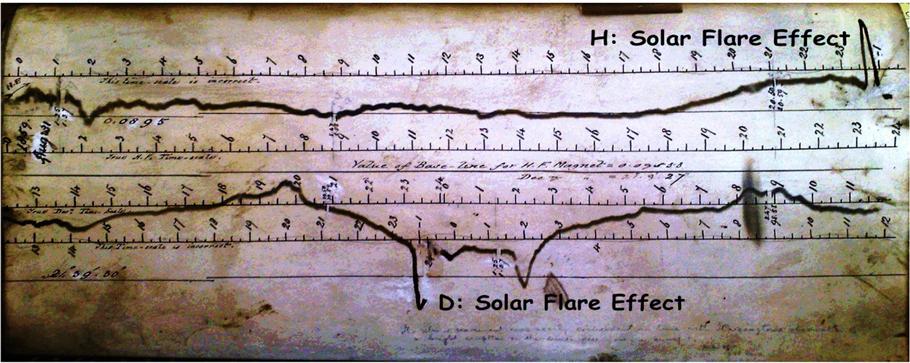
A debate on global navigation satellite systems and their vulnerability to space weather effects will take place at 6:30 p.m. on Tuesday, November 29 at the Palais des Congres in Namur, Belgium. It is free and open to the scientific community and the public.
By Inside GNSS

This annual conference on the Croatian Adriatic aims at GNSS experts and covers the risks and vulnerabilities of the global navigation satellite systems and efforts to improve accuracy and reliability.
It will take place at Baska on the resort island of Krk in Croatia from May 21 to May 24, 2012.
[Updated November 8, 2011] Europe’s first two Galileo satellites have reached their final operating orbits, opening the way for activating and testing their navigation payloads.
By Inside GNSSPreparations to bring the first operational Galileo satellites on-line are continuing apace.
The Launch and Early Orbit Phase (LEOP) phase will end tomorrow (November 2, 2011) for the In-Orbit Validation (IOV) spacecraft that were launched on October 21, and transmission of the first navigation signal can be expected in about 10 days from now, according to a European Space Agency (ESA) source.
By Inside GNSS

First two Galileo IOVs head into orbit from EU’s Kourou space center (ESA photo)The 4th high-level EU conference on European Space Policy will take place at the Parliament Hemicycle, 43 rue Wiertz, in Brussels on November 8 and 9, 2011.
The theme is "A Space Policy for Society and Citizens," and the program will emphasize future funding and applications of the Galileo navigation system and the GMES, the European earth observation and monitoring system.
By Inside GNSS
President Jerzy Buzek, European Parliament[UPDATED November 1] The presidents of the European Parliament and European Council and the president and vice-president of the European Commission have issued an urgent call to EU business and government leaders and citizens to complete Galileo, the EU satellite navigation system, and other space-based initiatives even in the face of the current economic crisis.
They are patrons of a high-level European space policy conference to be held in the Hemicycle of the European Parliament in Brussels, Belgium on November 9 and 10.
By Inside GNSS

Russian Soyuz rocket lifts off Europe’s Kourou spaceport pad with first two Galileo IOV satellites on board. ESA photo. Photo: ESA/CNES/ARIANESPACE/Optique Video Du CSGAs the first two operational Galileo satellites enter orbit following this morning’s launch (October 21, 2011), a closely knit team of engineers from the European Space Ageny (ESA) and CNES, France’s space agency, assumed control.
By Inside GNSS

Galileo IOVs being installed inside Soyuz Fregat upper stage. ESA, CNES, Arianespace, Optique Video du CSG, S.MartinA faulty valve that caused a fuel leak has delayed today’s (October 20, 2011) planned launch of the first Galileo in-orbit vehicle (IOV).
Arianespace said the would be postponed until Friday (October 21, 2011) because a problem in a valve used to disconnect the rocket’s fueling system on take-off had led to the disconnection mechanism being triggered ahead of the take-off.
The Soyuz ST-B had moved to its launch pad last week and the Upper Composite containing twin Galileo IOVs placed on top of it.
By Inside GNSS
Galileo IOV satellites attached to their launch dispenser and encapsulated beneath the fairing of their Soyuz ST-B launcher Credit: ESA – P. CarrilLaunch of two Galileo in-orbit validation (IOV) satellites next week will bring Europe’s long-awaited (and much-delayed) GNSS program into a new phase.
Liftoff from the European spaceport in Kourou, French Guiana, is scheduled for Thursday, October 20, at 11:34 GMT (7:34 a.m. local time). Progress in the operations and news updates can be viewed online at the European Space Agency website.
By Inside GNSS
The Galileo In-Orbit Validation (IOV) ProtoFlight Model (PFM) and Flight Models (FM-2, FM-3 and FM-4) undergoing assembly and testing at Thales Alenia Space’s facility in Rome during May 2011. ESA – S. CorvajaThe first Galileo navigation satellite arrived Wednesday (September 7, 2011) in Europe’s Spaceport in French Guiana, ready to begin preparations for launch on 20 October.
Packed within its protective, air-conditioned container, the satellite — known as Known as Flight Model 2, or FM2 — landed at Cayenne Rochambeau Airport aboard an Antonov aircraft, having departed from Thales Alenia Space Italy’s Rome facility, where it was built.
By Inside GNSS